Corporate video costs: What a professional corporate video really costs
What a professional corporate video really costs: price brackets, a complete cost breakdown per filming day, the three most common cost pitfalls and an honest comparison of agencies, freelancers and in-house production.
Putting corporate video costs into perspective
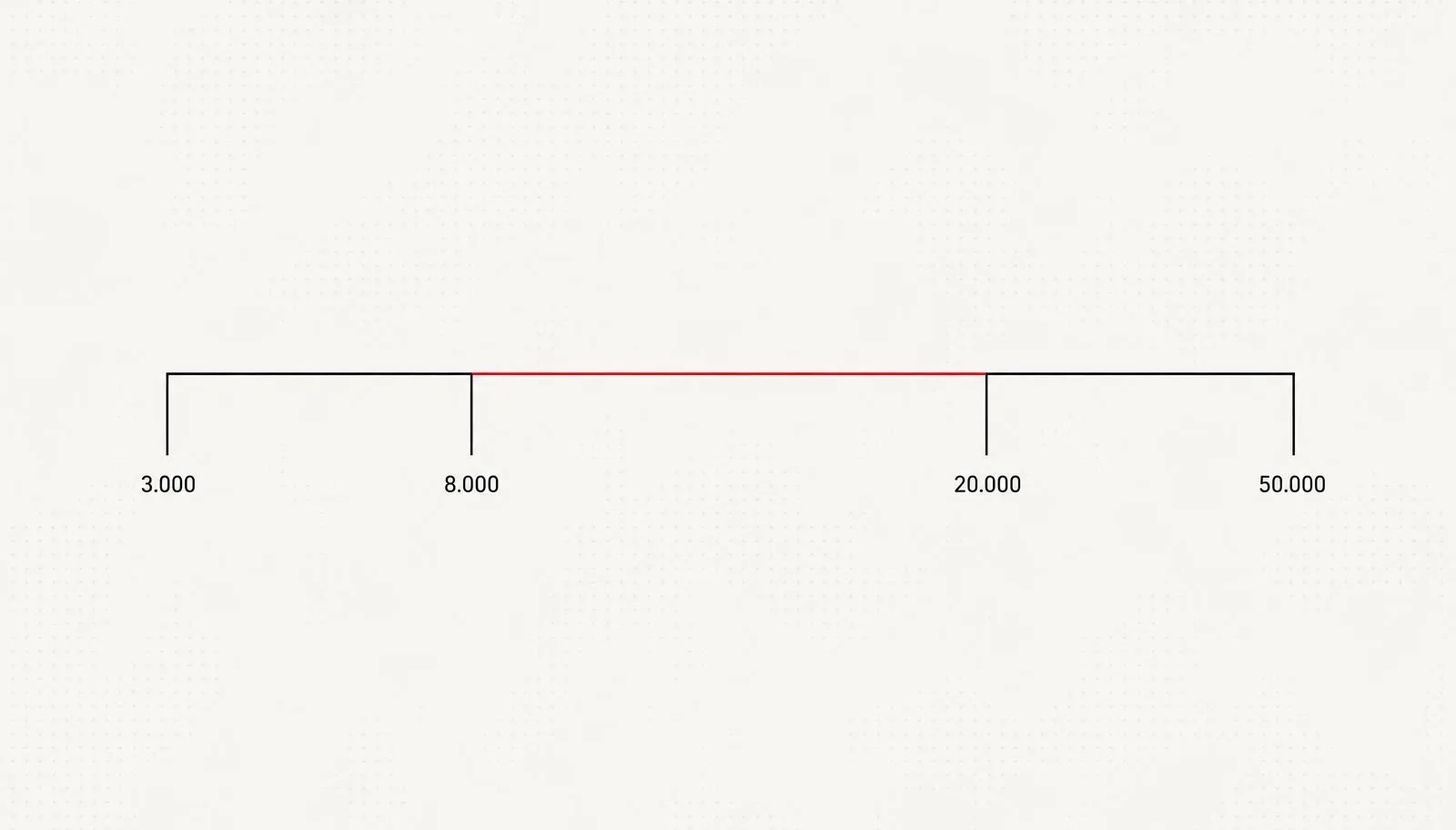
The question “What does a corporate video cost?" cannot be answered with a single figure, because a corporate video is not an off-the-shelf product but a production with many variables. Still, there are reliable ranges to guide you. Most medium-sized businesses spend between 8.000 and 20.000 Euro on a video that includes concept development, filming, editing and music, and remains in use for several years.
Price ranges at a glance
| Scope | Price range | Typical content | Filming days |
|---|---|---|---|
| Compact | 3.000 – 8.000 € | One location, small crew, 60–90 seconds, music from a licensed library | 1 |
| Standard | 8.000 – 20.000 € | Concept and script, two to three locations, interviews, drone footage, subtitles, social media edits | 2–3 |
| Complex | 20.000 – 50.000 € | Multiple sites, actors or casting, set design, sound design, voiceover, motion design | 4+ |
| Campaign | from 50.000 € | A suite of videos comprising a main film, cutdowns, recruitment and product versions, in multiple languages | project-specific |
These figures exclude VAT, apply to the German market and do not include media budgets for subsequent distribution. If you want to promote the video on social media or through ads, budget for that separately.
The seven cost drivers
- Concept and script. The clearer the message before filming, the more cost-effective the production. Concept development takes time but saves filming days.
- Filming days and locations. Each additional site means travel, setup and pack-down, and a new lighting situation. Two locations in one day are usually cheaper than two half-days on separate days.
- Crew size. A two-person crew is lean and flexible. Once lighting, sound, directing and camera assistance are separate roles, the daily rate rises significantly.
- Equipment. Cameras, lenses, gimbals, lighting and wireless audio systems are included as rental items. Drone footage also requires a permit and a certified pilot.
- Post-production. Editing, colour correction, sound design, subtitles and motion design account for 30 to 50 per cent of the budget on many projects. This is precisely where the difference in quality emerges.
- Music and voiceover. Licensed library music costs little; a bespoke composition costs several thousand Euro. Professional voiceover artists charge according to usage.
- Usage rights. Rights for music, acting and voiceover are often limited by time and territory. Unlimited worldwide use is more expensive than two years of use in Germany.
The most expensive corporate video is the one nobody watches to the end. We would rather invest an extra day in the concept than spend a filming day without a clear plan, because impact comes from ideas, not equipment.
Sample budget for a standard corporate video
Here is a realistic breakdown for a video costing around 14.000 Euro:
| Item | Share | Amount |
|---|---|---|
| Concept, script, directing | 15 % | 2.100 € |
| Production management and preparation | 10 % | 1.400 € |
| Filming days including crew | 35 % | 4.900 € |
| Equipment and rental | 10 % | 1.400 € |
| Post-production, colour, sound | 25 % | 3.500 € |
| Music licence and rights | 5 % | 700 € |
If a quote allocates significantly less than these proportions, post-production is usually where savings are being made. You can see it in the video long before anyone can put their finger on it.
Real-world example: ZOO Event
For ZOO Event in Cologne, we delivered a complete website relaunch: a premium website, an event planner to qualify leads and 3D tours of the key venues. Video plays a central role in this project because event venues sell on atmosphere, and a still image cannot convey that impact. The homepage therefore uses short, unhurried sequences rather than a long video nobody presses play on.

View the full case study: ZOO Event →
How to set a realistic budget
Rather than starting with a figure, it helps to work backwards:
- Define the objective. Customer acquisition, recruitment, trade shows and sales support call for very different videos. Corporate video or recruitment video explains which type suits which objective, while Recruitment video covers production with real employees.
- Choose the channel. A homepage video can run for 90 seconds; a recruitment clip for Instagram should be finished after 30 seconds. B2B has its own length guidelines, covered in LinkedIn video: formats and lengths.
- Plan the period of use. A video intended to run for three years justifies a higher budget than a campaign for a single trade show.
- Plan for repurposing. Cutdowns, portrait formats and subtitled versions cost little extra within the same project but require a new commission later. For events, an aftermovie using the same footage is also worth considering.
How to recognise a fair cost breakdown
A credible quote lists filming days, crew size, post-production work, revision rounds and usage rights separately. Fixed prices without a breakdown are not a warning sign in themselves, but can become expensive as soon as changes are requested. Look for these points:
- Number of revision rounds included, usually two
- a clear agreement on who owns the raw footage
- specified usage rights for music, voiceover and people appearing on screen
- details of the formats and aspect ratios to be delivered
- a schedule with milestones for concept development, filming and sign-off
Lower production costs without looking cheap
There are sound ways to reduce costs. Film several topics in one day, use your own premises rather than hiring a studio, work with real employees instead of actors, choose licensed music rather than a bespoke composition, and plan social cutdowns from the outset instead of commissioning them separately later. What you should not cut back on is sound, lighting and editing. Viewers will forgive a static shot, but not poor sound.
You can find more on the process, services and previous work on our overview page Commission a corporate video. Video production in Cologne explains how a production in the Rhineland works in practice.
Sample cost breakdown: one filming day in detail
To make the figures more tangible, here is a real-world breakdown for a mid-range corporate video: one filming day, two locations, a final video of around two minutes plus three social cutdowns.
| Item | Time required | Indicative cost |
|---|---|---|
| Concept, script, storyboard | 1,5 days | 1.200 to 1.800 € |
| Directing and camera work on the filming day | 10 hours | 1.400 to 1.900 € |
| Sound and lighting incl. equipment | 10 hours | 700 to 1.100 € |
| Second camera or drone | Half-day | 450 to 800 € |
| Editing, colour correction, sound mixing | 3 to 4 days | 1.800 to 2.800 € |
| Music licence and voiceover | fixed fee | 250 to 900 € |
| Social cutdowns, three formats | 1 day | 600 to 900 € |
| Total | 6.400 to 10.200 € |
The range is not arbitrary; it reflects decisions: how many people appear on camera, how many locations are involved, and how much post-production is needed. Understanding the individual items lets you make targeted cuts rather than pushing down the overall price.
What a filming day actually includes
A filming day is not just the time the camera is running. A realistic schedule looks like this:
- 07:30 to 09:00, setup. Setting lights, adjusting sound levels, clearing the location. This takes longer than everyone expects.
- 09:00 to 12:30, first session. Interviews first, while people are fresh and clear-headed.
- 12:30 to 13:15, break. Do not skip it. Working straight through compromises the footage.
- 13:15 to 17:00, second session. Work scenes, details and cutaways. This produces the footage that will hold the video together later.
- 17:00 to 18:00, pack-down and data backup. Copies on two separate storage devices before anyone goes home.
If you try to squeeze three locations and eight interviews into one day, you pay for it in the edit: rushed footage, shallow interviews and, ultimately, a second filming day.
The three most common cost pitfalls
Music licences. A track from a stock library costs between 30 and 200 € per licence, but the licence often covers only one channel or one year. If you later use the video on trade show screens and in paid advertising, you need an extended licence. Confirm everywhere the video will be used before editing, or you will pay twice.
Voiceovers. A professional voiceover artist costs 250 to 600 € for a two-minute script, with the fee tied to the scope of usage. A buyout agreement for unlimited use costs more. Having people from the company speak themselves is cheaper and often feels more credible anyway.
Consent from people on screen. Every identifiable person must give written consent, including employees. If consent is missing and someone leaves the company on bad terms, the video has to be re-edited. This is the most expensive mistake because it only becomes apparent months later.
Agency, freelancer or in-house: a comparison
| Freelancer | Agency | In-house | |
|---|---|---|---|
| Daily rate or project price | 700 to 1.200 € | 5.000 to 20.000 € | Staff costs |
| Concept and strategy | usually not included | included | depends on the team |
| Continuity cover | one person, one point of failure | team, cover available | limited |
| Best suited to | individual clips, a clear brief | videos that need to represent a brand | ongoing content needs |
| Typical weakness | lack of concept development | higher starting price | lack of outside perspective |
The honest answer: if you know exactly what you want and need someone to execute it well, a good freelancer is hard to beat on value. As soon as the video needs to represent a brand, serve several channels and work for years, you need someone who plans ahead and takes responsibility afterwards.
On one project, we spent two days just talking to the client before filming, without a camera. It was both the most expensive and the most cost-effective item in the quote, because it meant we did not have to shoot a single shot twice on the filming day.
What you get when you spend 3.000, 8.000 or 20.000 Euro
Around 3.000 €: One filming day, one location, one to two interviews, an edit of up to two minutes, one portrait cutdown. That is enough for a website and social media, but not for a trade show presence.
Around 8.000 €: A concept phase with a script, two filming days, two cameras, a drone, professional sound, colour correction, three to four cutdowns, licensed music with extended rights. This is the range for most corporate videos that remain in use for years.
How to assess a quote
A credible quote can be checked in five minutes. Look for these points:
- Itemised costs rather than a lump sum. A line reading "Video production, 9.000 €" is not a quote, just a number. You need to see how many filming days, how many editing days and which rights are included.
- Specified revision rounds. Two rounds are standard. Each additional round costs extra, and that belongs in the quote, not the final invoice.
- Deliverables by format. Which aspect ratios, which resolution, which file formats, with and without subtitles.
- Raw footage. Who owns it, how long it is archived, and what it costs to hand over. Many disputes arise two years later over precisely this point.
- Payment schedule. The usual arrangement is 40 per cent on commissioning, 30 after filming and 30 after sign-off. Full payment upfront is unusual, as is payment only after sign-off.
Is it worth it? A measured assessment
A corporate video is an investment with a useful lifespan, not an advertising placement budget. With production costs of 8.000 € and three years of use, the cost is around 220 € per month. That is the relevant figure, not the total sum.
Useful comparisons:
| Comparison | Cost per month | Impact |
|---|---|---|
| Corporate video over 3 years | approx. 220 € | Website, sales, recruitment, trade shows |
| One trade publication advert per quarter | approx. 400 € | one-off visibility |
| One additional sales hour per week | approx. 300 € | direct, but not scalable |
The point is not that video always wins. The point is that a video used for three years in sales conversations, on a careers page and at trade shows delivers more value than the invoice alone suggests. A video that is never used after launch, on the other hand, is too expensive at any price.
How to spot quotes that are too cheap
A quote significantly below 2.000 € for a fully fledged corporate video is possible, but it almost always leaves out something: concept development, professional sound, colour correction, rights clearance or a second revision round. That is perfectly fine if you know and make a conscious choice. Problems arise when these items are taken for granted and later billed separately. So actively ask what is not included. The answer tells you more about the costing than any list of services.
Conclusion
A corporate video costs money not because a camera is expensive, but because thinking, time and rights cost money. Understanding the line items lets you make informed decisions about where to cut costs and avoid the pitfalls that only become apparent after the invoice. If you want a reliable cost breakdown for your project, talk to us. We cost everything transparently, item by item.
Frequently asked questions
What does a corporate video cost on average?+
Can a corporate video cost less than 5.000 Euro?+
What has the biggest influence on costs?+
How long does it take to produce a corporate video?+
How long should a corporate video be?+
Is drone footage expensive?+
What happens to the raw footage?+
How often should a corporate video be updated?+

Josef leads the strategic and creative development of brands at Maluure. For over a decade, he has guided medium-sized businesses from brand positioning to digital delivery.
Managing Director of Maluure GmbH, Cologne. Specialising in corporate design, brand strategy and digital brand experiences.
Weiterlesen
Using a corporate film on social media: twelve weeks of content from one shoot day
A corporate film is not a one-off asset, but a bank of source material. How to turn one shoot into formats for LinkedIn, Instagram, your website and sales, with an editing plan, content calendar and practical example.
Corporate video scripts: storytelling that works in 90 seconds
The script determines whether your corporate video makes an impact or just looks good. Structure, narrative, common mistakes and a shot list that saves the shoot day.

Officially certified: Maluure is a Lovable Partner
Since 16. September 2026, Maluure has been an officially certified Lovable Partner, Expert Website Builder and Expert App Builder. What the certification involves and what it means for your project.
Explore more blog topics
Corporate film or recruitment video: What your company really needs
Both films cost a similar amount but have very different effects. This comparison shows which format suits which goal and how to produce both in a single day of filming.
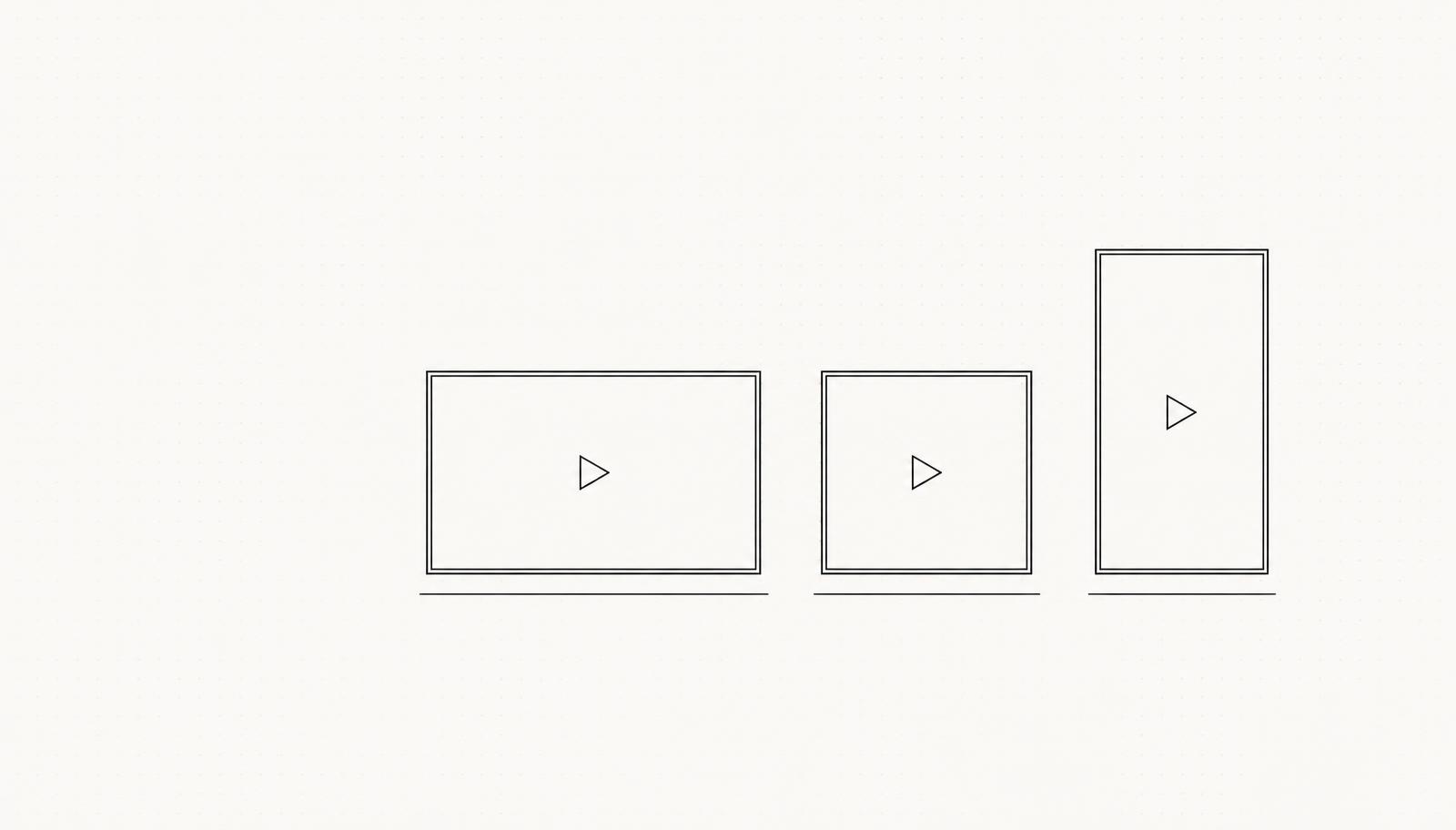
LinkedIn Video: Formats, Lengths and Best Practices for Businesses
What works for LinkedIn video: formats from 1:1 to 9:16, the right length for each objective, subtitles, hooks and upload strategy. A concise guide for businesses.
Recruitment video: showing employees as they really are
How a recruitment video shows real employees rather than glossy clichés, what it costs and why authenticity brings in more applications.