Website for Hotels: More Direct Bookings, Less Commission
Rooms, booking widget, location and direct benefits: how to build a hotel website that brings guests back from platforms to your own site.
What does a hotel website need to do?
What content does a hotel website need?
- Rooms and rates. Each room category with photos, size, amenities and view. Prices or a live availability check visible right away.
- Booking widget. Arrival, departure, guests. Reachable from every page and on mobile without detours.
- Location and surroundings. Map, arrival by train and car, parking, sights and distances.
- Atmosphere in pictures. Lobby, breakfast, bar, details. Professional photography is mandatory for hotels, not optional.
- Direct booking benefits. Best rate, free upgrade, late check-out, whatever you can offer, clearly stated.
- Occasions. Meetings, weddings, wellness, packages. Each segment with its own page and enquiry path.
| Building block | Guest's question | Typical mistake |
|---|---|---|
| Rooms | How will I sleep there? | One photo, no details |
| Booking | Is anything available tonight? | Hidden booking widget |
| Location | How far is it to my destination? | No distances given |
| Direct benefit | Why not use a platform? | No reason given |
| Meetings | Do you have space for our team? | PDF brochure only |
Why does loading speed matter so much for hotels?
How do you win guests back from booking platforms?
- Google Business Profile and free booking links. Through Google Hotel Center your own booking page can appear next to the platforms in search [1].
- A clear direct booking benefit. Guests book directly when they see a visible advantage.
- Reach returning guests. Newsletters and offers for regulars lead straight to your site.
- Look after reviews. Replies show that guests matter to you.
Multilingual: when is it worth it?
How much does a hotel website cost?
How does a project work?
- Analysis of audiences, booking channels and platform share.
- Photo shoot of rooms, shared spaces and surroundings.
- Structure and copy in every required language.
- Build with booking engine integration and performance optimisation.
- Ongoing care, so offers, rates and packages stay current.
Which mistakes cost hotels direct bookings?
- Prices only at the very end. Anyone who sees the room price only after several steps drops off and compares on a platform.
- Different prices than on platforms. If your own website looks more expensive than a platform, the direct booking is lost. Check regularly that your rates match.
- Hidden conditions. Cancellation, breakfast, parking fees, city tax: anything that appears only at payment costs trust.
- Booking widget on an unfamiliar page. When booking suddenly appears in a different design, guests wonder whether they are still with the right provider.
- No way to ask questions. Some guests want to clarify something before booking, like a baby cot or late arrival. Phone, email or chat should be visible.
What do good room pages do differently?
- Several photos per room. Bed, bathroom, view, desk. Honestly photographed, not distorted by wide angles.
- Clear facts. Size, bed size, maximum occupancy, floor, noise or quiet, air conditioning, Wi-Fi.
- Who the room suits. Business trip, couple, family. One sentence of guidance helps choose.
- Booking button right at the room. So guests do not have to return to the homepage.
Checklist: is your hotel website ready to book?
- Booking widget on every page, on mobile without detours
- Prices and conditions shown early and transparently
- Direct booking benefit clearly stated
- Room pages with several photos and all facts
- Location, arrival, parking and distances
- Fast loading despite images
- English version if international guests come
- Google profile maintained, booking link added
A hotel sells anticipation. The website has to convey that feeling and then make booking so easy that nobody switches back to a platform.
Frequently asked questions
What makes a good hotel website?+
How do I get more direct bookings?+
Can I drop booking platforms completely?+
How important are photos on a hotel website?+
Why is my hotel website so slow?+
Does my hotel website need several languages?+
How do I integrate my booking system?+
How much does a hotel website cost?+
Should meetings and weddings have their own pages?+
How does a hotel get found locally?+
Sources
- Google Hotel Center: Free booking links, Google (2025)
- web.dev: Core Web Vitals, Google (2025)
Want to see our articles more often in Google's Top Stories? Add Maluure as a preferred source.
Add on Google
Josef leads the strategic and creative development of brands at Maluure. For over a decade, he has guided medium-sized businesses from brand positioning to digital delivery.
Managing Director of Maluure GmbH, Cologne. Specialising in corporate design, brand strategy and digital brand experiences.
Weiterlesen
Website for Physiotherapy: More Appointments and Applications
Treatments, appointment requests, team and careers: how to build a physio website that convinces patients and therapists alike.

Website for Restaurants & Hospitality: What Guests Really Look For
Menu, opening hours, reservations: how to build a restaurant website that convinces guests in seconds and gets found locally.
A Website for Dental Practices: What Really Matters in 2026
Which content a dental website needs, how local SEO brings inquiries, and what a practice website really costs.
Explore more blog topics
Willi on the DNA Insider Podcast: Marketing Needs Clear Prices
Willi was a guest on the DNA Insider Podcast by the Deutscher Netzwerk Award. Eleven minutes on clear pricing, founding Maluure with his brother Josef, and why networking is no buzzword for us.
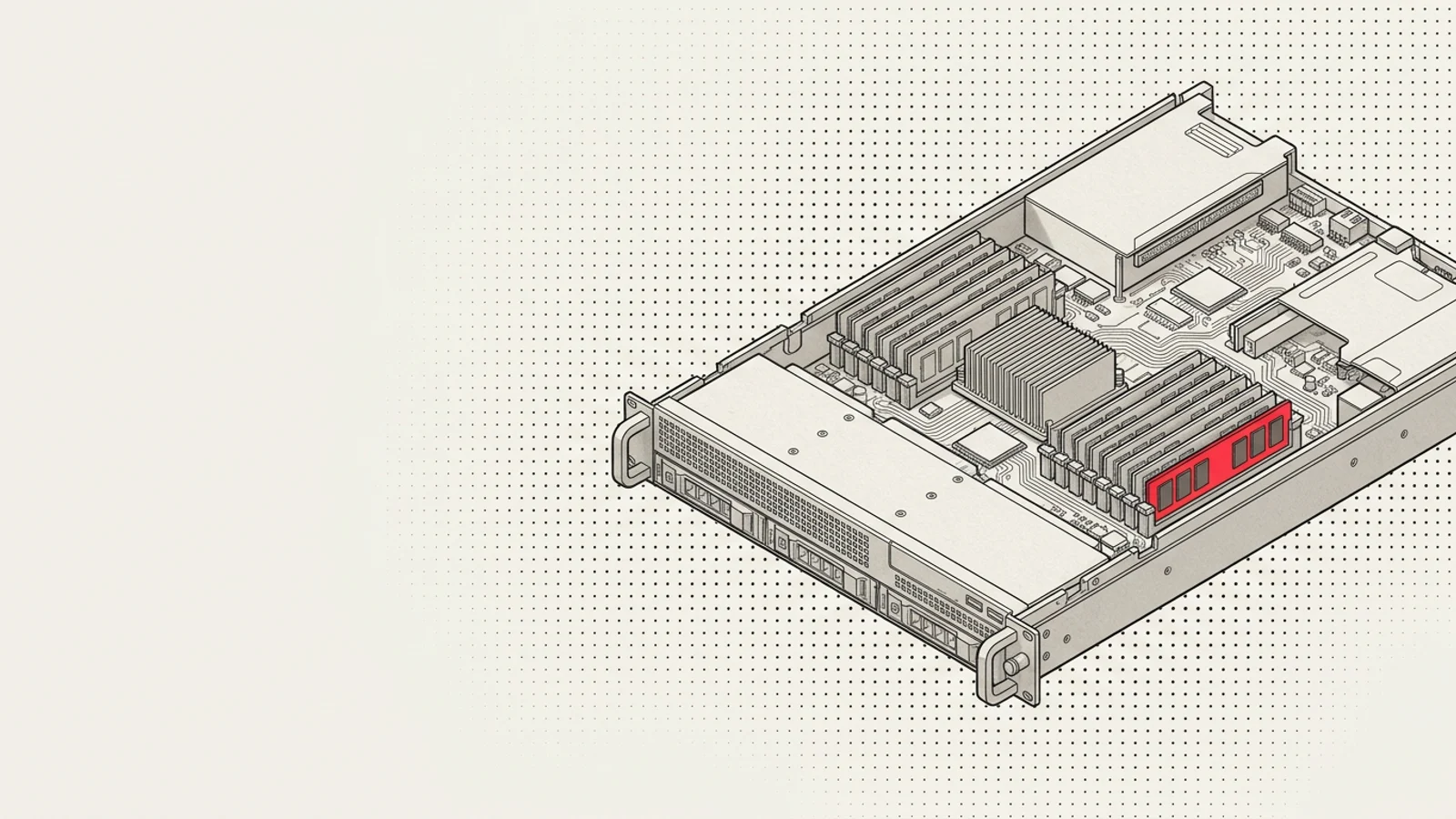
PHP Security Warning: What It Means for Our Customers
The PHP warning explained briefly: our assessment for Lovable and Webflow, and what operators of WordPress, TYPO3 and other PHP systems should do now.
Structured Data: What Google and AI Really Read
Structured data makes content unambiguous for machines. Which types Google really uses, what AI does with it and where the limits are.