Getting a website professionally built: 10 criteria for assessing quality
How can you tell whether a website has been professionally built? Ten verifiable criteria, price ranges, warning signs in proposals and five tests you can carry out yourself.

Why "professional" is more than a feeling
Most website projects fail not because of taste, but because of criteria that were never defined upfront. If you want a website professionally built, you need a checklist that works regardless of the provider. At Maluure, we check the following ten points in every project before a site goes live – and you can apply them to an existing site just as easily.
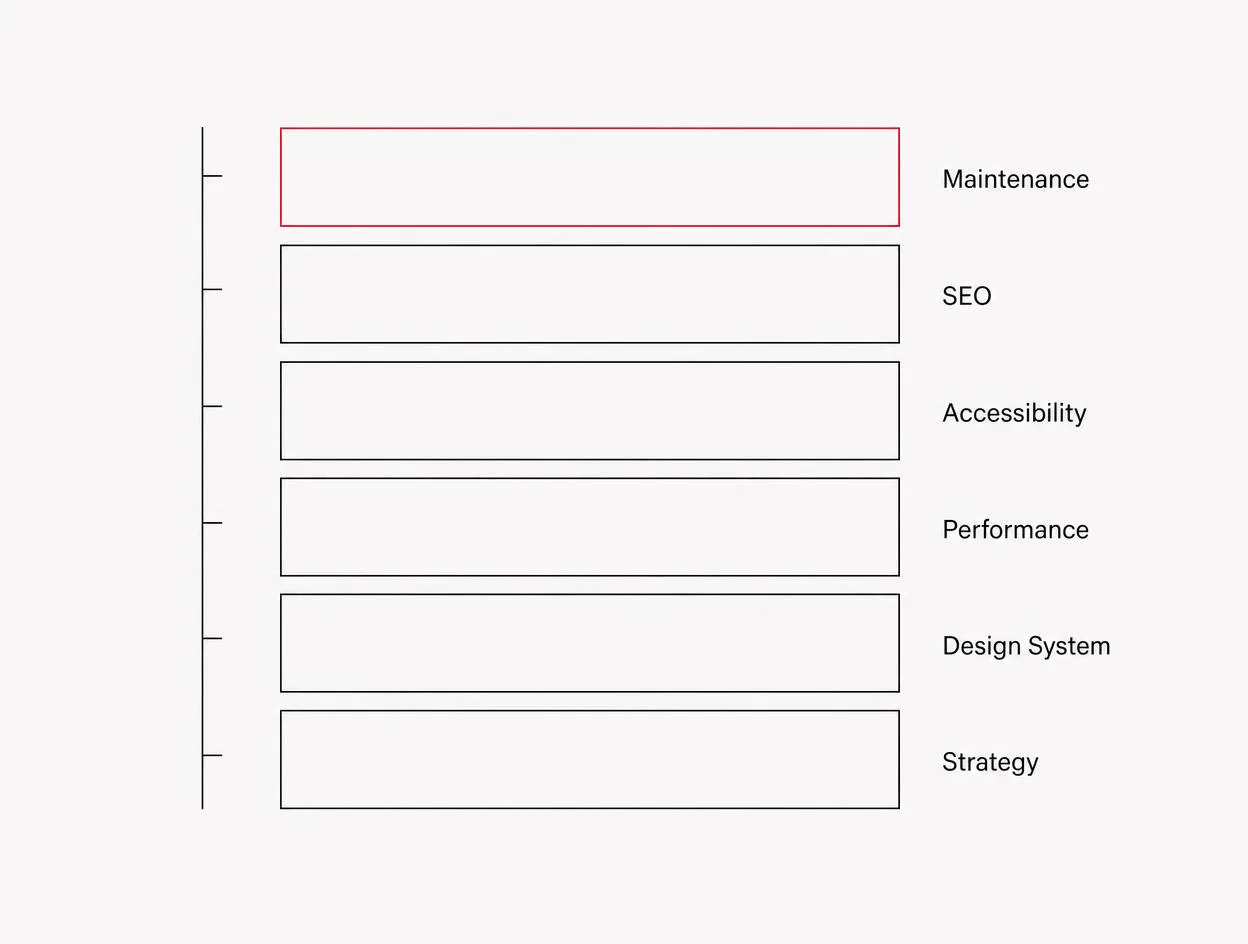
The ten criteria in detail
1. Strategy comes before the first layout
The target audience, offering, site structure and conversion goal are documented before anyone starts designing. Skip this step, and you will end up discussing colours rather than impact.
2. Information architecture, not a collection of pages
A professional site has a clear hierarchy: no more than three clicks to reach the destination, descriptive URLs and navigation that needs no explanation.
3. A design system, not standalone pages
Colours, typography, spacing and components form a system. This ensures that new pages automatically look right, even if you create them yourself two years later.
4. Content that answers a question
Every page has exactly one job. Copy is written for people, not keyword density, and answers the question that brought someone to the site.
5. Performance and Core Web Vitals
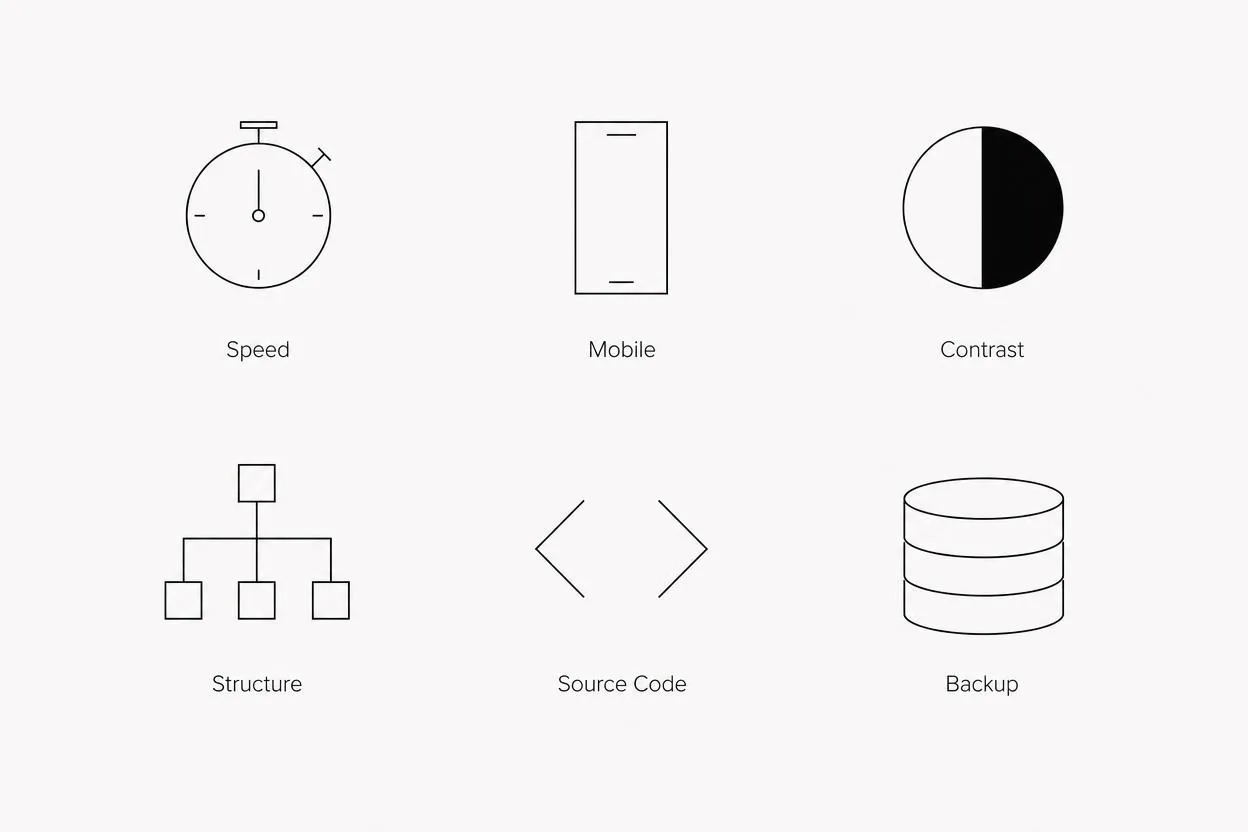
Compressed images in modern formats, lean scripts, measured loading times and layout stability. Measure before launch, not just when complaints come in.
6. Accessibility under the BFSG
Contrast, focus states, keyboard navigation and meaningful alternative text. Mandatory for many businesses since 2025, and a benefit to every visitor.
7. Technical SEO and GEO foundations
Server-rendered content, well-structured titles and descriptions, structured data and an up-to-date sitemap. If content is only loaded via JavaScript, neither Google nor AI assistants can reliably access it.
8. Legally required pages and data protection
A legal notice, a privacy policy, working consent controls for tracking and no third parties collecting data without permission.
9. Editorial independence
You can access your content without the agency. An editor account, training and documentation are part of the deliverables.
10. Maintenance, monitoring and a point of contact
Updates, backups, uptime monitoring and a person you can call. Without this, even a professionally built site will deteriorate within two years.
What it costs and what determines the price
| Scope | Typical range | What is included |
|---|---|---|
| One-page website | 2.500 – 5.000 € | Strategy, design, one page, legal essentials |
| Business website (5–10 pages) | 6.000 – 15.000 € | Design system, editor access, SEO foundations, accessibility |
| Site with functionality (booking, shop, portal) | from 15.000 € | Additional workflow logic, integrations, testing |
| Maintenance | 90 – 400 € / month | Updates, backups, monitoring, small changes |
We offer this as a fixed-price product, Maluure-Page™: define your scope in the price calculator and see the total immediately, without having to ask.
Practical example: ZOO Event
We rebuilt the event venue website for ZOO Gastronomie GmbH in Cologne. The original site displayed images but generated no enquiries: there was no clear structure by occasion, no indication of pricing and no path from inspiration to enquiry. We clarified the strategy and structure first, then built a design system, integrated 3D venue tours and added an event planner that captures qualified enquiries. All content is delivered server-side, making it readable by search engines and AI assistants.
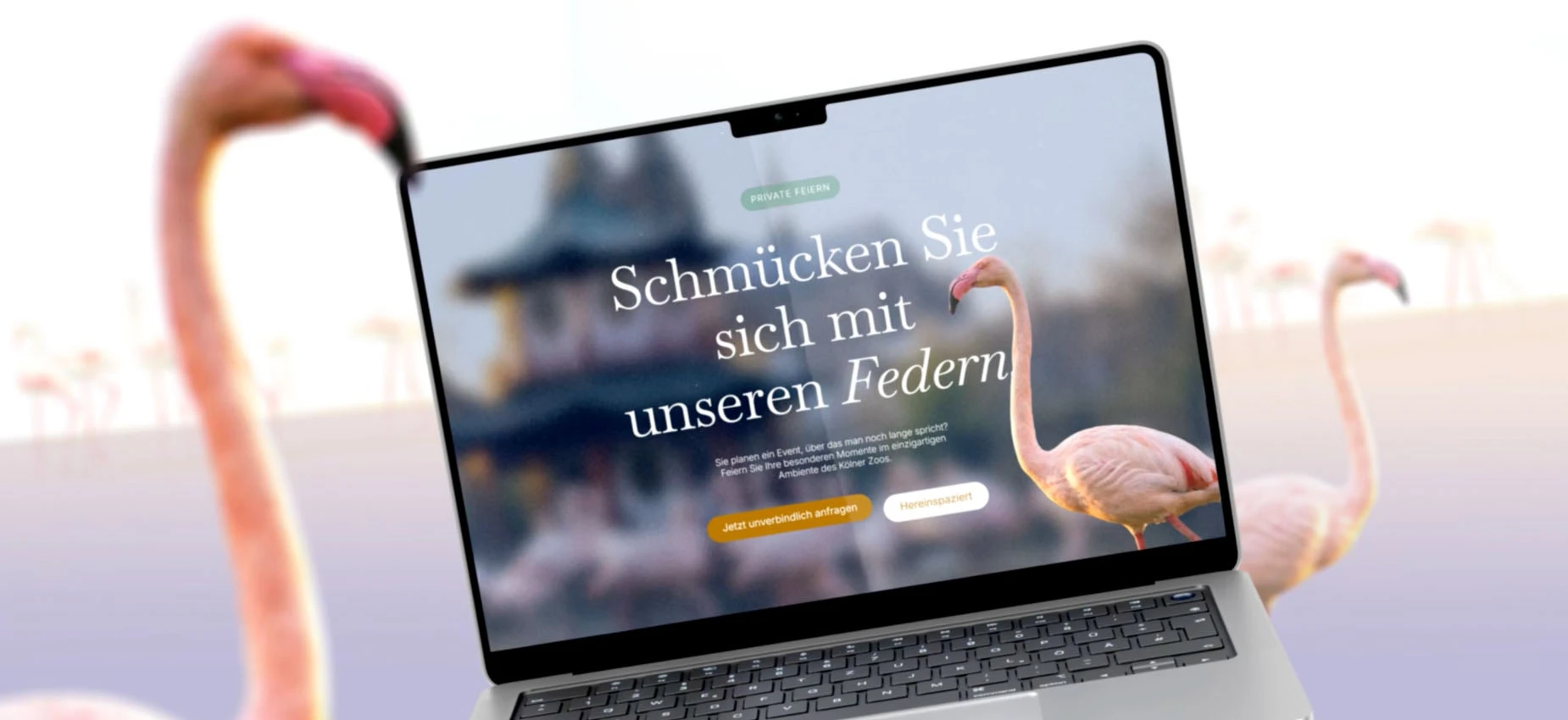
Read the full case study: ZOO Event →
The question is never whether a website looks good. The question is whether it keeps working without us after launch, technically, editorially and in search.
Check it yourself in ten minutes
- Load the site on your phone using a mobile network and time it. More than three seconds is too slow.
- Right-click, view the page source and search for a paragraph of body text. If it is not in the source, server-side rendering is missing.
- Move through the navigation using only the Tab key. If you can never see where you are, the focus state is missing.
- Enter
site:deinedomain.dein Google. Missing pages indicate an indexing problem. - Ask who handles updates and backups. If there is no answer, there is no maintenance.
Seven warning signs in a proposal
A proposal reveals a lot about the quality you can expect. These phrases are warning signs:
- "Design to your specifications" without first clarifying the target audience. Preferences are not a concept, and the loudest person in the room ends up deciding based on taste.
- "SEO included" without specifying what will actually be done. Technical foundations, content and ongoing support are three different services with three different prices.
- "Responsive" as a unique selling point. This has been standard for over ten years and is not a mark of quality.
- Not a line about accessibility. Since the German Accessibility Strengthening Act, this is no longer optional for many businesses.
- No information about hosting. A provider who does not say where the site is hosted also says nothing about backups, resilience or data protection.
- Not a word about handover. The domain, source code, editor access and analytics belong to you, not the agency.
- A price without a scope. A fixed price is only credible when it covers a defined service. Otherwise, it is a bait price.
What needs to happen after launch
Launch is the beginning, not the end. Four things belong in the calendar for the first three months:
- Check indexing. Submit the sitemap in Search Console, check coverage and verify redirects from old URLs.
- Measure behaviour. Which pages are being read, where do visitors abandon the enquiry process, and which search queries bring visitors to the site.
- Build out the content. Turn the first real questions from sales conversations into pages or blog posts. This is the most cost-effective SEO tactic available.
- Maintain the technology. Updates, backups, monitoring, security patches. Without this, a good site becomes a risk after two years.
A professionally built website is therefore not a project with an end date, but a business tool with running costs. Plan for this from the start and you can avoid another relaunch after three years. That is also what we cover in our article on website relaunches.
How to turn this into a brief
Take the ten criteria and ask every provider to address each one in writing. Providers who evade questions about accessibility, rendering and maintenance deliver a site that looks good in its first year and generates costs after that. If you want to explore further: in Getting a website built, we describe the process from kick-off to launch, while Agency, freelancer or website builder compares the different approaches.
Frequently asked questions
How can I tell whether a website has been professionally built?+
How much does it cost to have a website professionally built?+
How long does it take to have a website professionally built?+
Is an agency worth it, or is a website builder enough?+
What should be included in the handover?+
Does my website need to be accessible?+
Why is server-side rendering important?+
How much does ongoing maintenance cost?+

Josef leads the strategic and creative development of brands at Maluure. For over a decade, he has guided medium-sized businesses from brand positioning to digital delivery.
Managing Director of Maluure GmbH, Cologne. Specialising in corporate design, brand strategy and digital brand experiences.
Weiterlesen
Using a corporate film on social media: twelve weeks of content from one shoot day
A corporate film is not a one-off asset, but a bank of source material. How to turn one shoot into formats for LinkedIn, Instagram, your website and sales, with an editing plan, content calendar and practical example.
Corporate video scripts: storytelling that works in 90 seconds
The script determines whether your corporate video makes an impact or just looks good. Structure, narrative, common mistakes and a shot list that saves the shoot day.

Officially certified: Maluure is a Lovable Partner
Since 16. September 2026, Maluure has been an officially certified Lovable Partner, Expert Website Builder and Expert App Builder. What the certification involves and what it means for your project.
Explore more blog topics
Corporate film or recruitment video: What your company really needs
Both films cost a similar amount but have very different effects. This comparison shows which format suits which goal and how to produce both in a single day of filming.
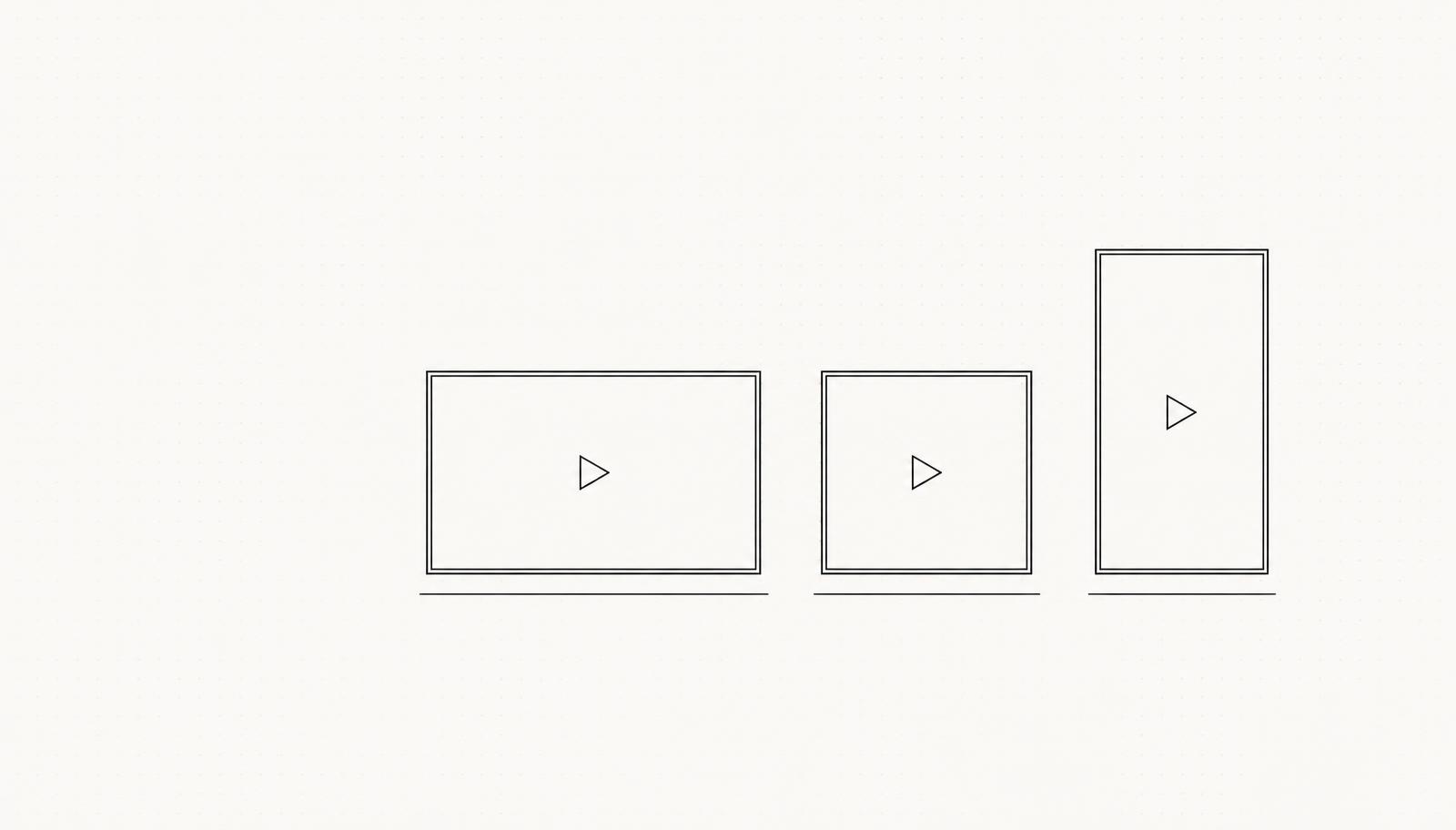
LinkedIn Video: Formats, Lengths and Best Practices for Businesses
What works for LinkedIn video: formats from 1:1 to 9:16, the right length for each objective, subtitles, hooks and upload strategy. A concise guide for businesses.
Recruitment video: showing employees as they really are
How a recruitment video shows real employees rather than glossy clichés, what it costs and why authenticity brings in more applications.