Finding a video production company: how to recognise a good provider
Video production quotes are difficult to compare. Here are the five questions that make a difference, the warning signs to watch for and what a solid brief looks like.

Why quotes are not comparable
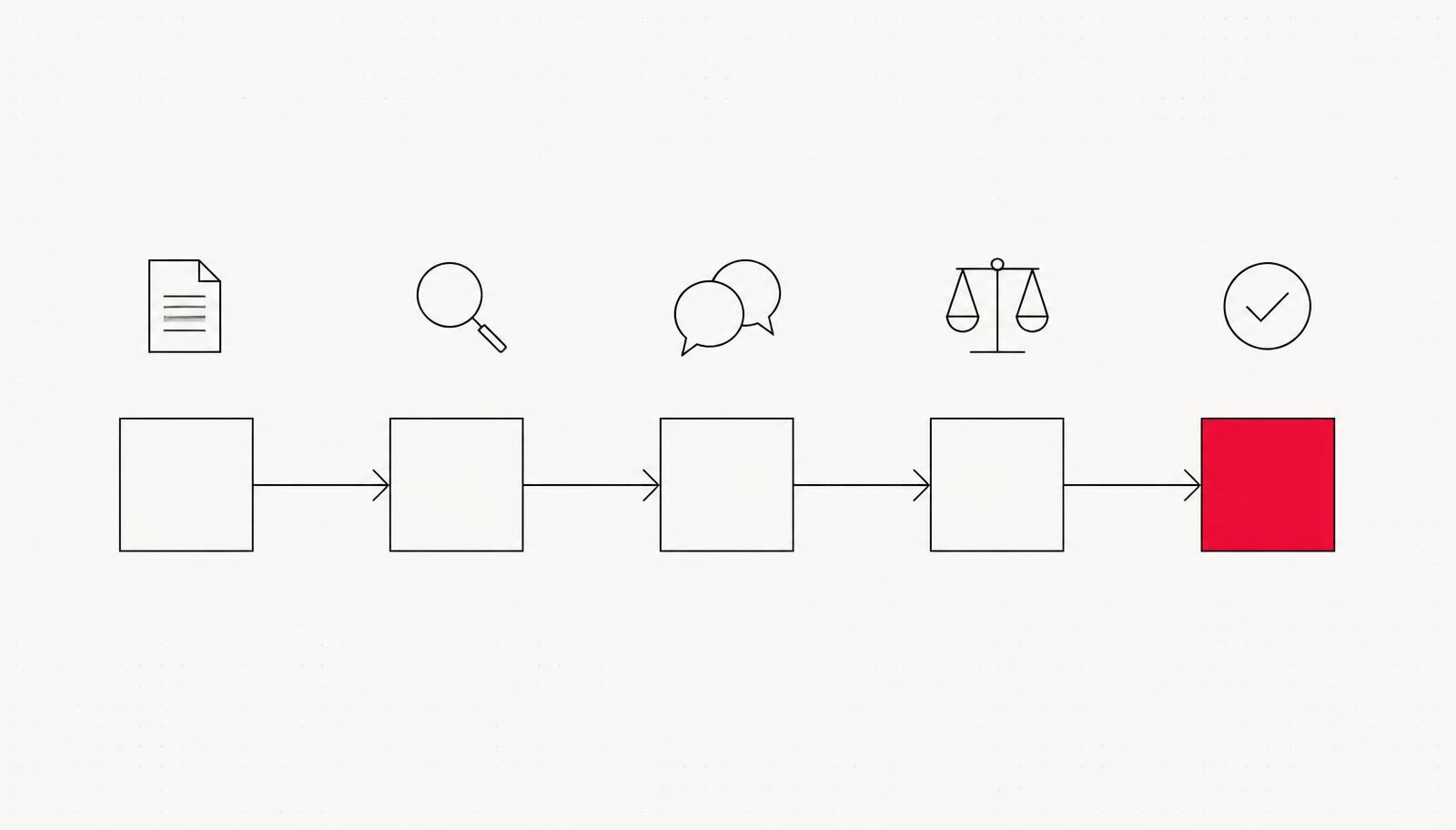
Step 1: The brief that determines everything
- Objective: What should change after the film? More applications, shorter sales cycles, more enquiries through the website.
- Target audience: Who will watch the film, in what situation, on what device.
- Where it will be used: Website, LinkedIn, trade fair, job advert. This determines length and format.
- Content: What must be included, and what must not.
- Parameters: Budget range, preferred deadline, filming locations, available people.
- References: Two or three films you like, with a sentence explaining why.
When a client tells us what should change after the film, we can put together an honest quote. When they only tell us they want a film, we are pricing an assumption. And assumptions are either too expensive or too cheap, never right.
Step 2: The five questions to ask in the meeting
- "Who exactly will be on site on the filming day?" Good answer: names and roles. Bad answer: "an experienced team". Often, the creative sells the project and a freelancer you have never met does the filming.
- "How many rounds of revisions are included, and what counts as a round?" Without this definition, every piece of feedback becomes a renegotiation.
- "What rights do I get, for how long and on which channels?" Usage without time or geographical limits is possible, but it must be stated. Music licences often expire after a year.
- "Will I receive the raw footage?" If you need new edits in two years but have to film again because you do not have the raw footage, you pay twice.
- "What happens if the filming day is cancelled?" Weather, illness, a production shutdown. A reputable production company has a policy for this, not an excuse.
Step 3: Warning signs
- No follow-up questions. Anyone who sends a quote immediately after receiving the brief, without a single follow-up question, has either not read it or is selling a standard package.
- A flat price with no breakdown. "Complete corporate film: 9.900 Euro" is not a costing, it is a number.
- References without context. A showreel shows what someone can edit. It does not show whether the project was delivered on budget and on time.
- No mention of sound. Poor sound ruins more films than poor visuals. Anyone who does not mention sound is not planning for it.
- A free creative pitch. Anyone who delivers a full concept without payment is charging for it elsewhere.
Step 4: Making quotes genuinely comparable
| Item | What to check |
|---|---|
| Concept | Included or separate, with or without a script |
| Filming days | Number, crew size, preparation time |
| Equipment | Camera, lighting, sound, drone, gimbal |
| Post-production | Editing, colour, sound design, graphics |
| Voiceover and music | Professional or library, licence duration |
| Revisions | Number and definition |
| Formats | Master only or additional versions |
| Rights | Duration, territory, channels, raw footage |
Practical example: Telekom Baskets

Most projects do not fail because of the camera, but because of approvals. Agreeing in advance who decides and by when saves two weeks of revisions and an uncomfortable phone call.
Agency, production company or freelancer
| Provider type | Strength | Limitation |
|---|---|---|
| Freelancer | Price, flexibility, direct contact | Capacity, risk of unavailability, rarely includes concept development |
| Production company | Craft, equipment, shoot organisation | Strategy and brand management often not included |
| Agency | Concept, brand, use across channels | Higher overheads, rarely the cheapest option |
Local proximity: useful, but not an end in itself
Comparing quotes: what really matters
| Item | What the quote should state | Warning sign |
|---|---|---|
| Preparation | Briefing, script, shot list, site visit | missing entirely or “included" |
| Filming day | Number of hours, crew size, equipment, travel | Flat fee with no time specified |
| Post-production | Edit versions, revision rounds, colour, sound | “Editing" as a single line |
| Music | Licence type and duration | no licence details |
| Usage rights | Channels, territory, duration | “for marketing purposes" |
| Additional versions | Number, formats, subtitles | not included |
Usage rights: the point that becomes expensive later
- Channels: Website, social media, trade fairs, television, paid advertising
- Territory: Germany or worldwide
- Duration: fixed term or unlimited
- Editing: whether your team may later shorten or re-edit the film themselves
- Raw footage: whether it will be handed over, and at what resolution
Five questions that separate the good from the rest
- What is the film's objective, and how will we measure it? Anyone who answers only with visual ideas is thinking about appearance rather than impact.
- Who will be on site on the filming day, and who will edit? On small productions, this is the same person, which is fine. With intermediaries, nobody knows.
- What happens if we do not like the first version? A clear answer specifies the number of revision rounds and the deadlines.
- What preparation do you expect from us? Good production companies actively ask for input because they know it determines quality.
- Tell us about a time when something went wrong. Anyone without an honest answer either has little experience or is not sharing it.
The timeline as an indicator of quality
Conclusion
Frequently asked questions
Why do video production quotes vary so much?+
What should a video production brief include?+
How many quotes should I get?+
How can I spot an unprofessional production company?+
Should I hire a freelancer or an agency?+
What usage rights do I need?+
Will I receive the raw footage after production?+
How important is it for the production company to be local?+
How much does a professional corporate film cost?+
Sources
- § 31 Urheberrechtsgesetz, Einräumung von Nutzungsrechten, Bundesministerium der Justiz
Want to see our articles more often in Google's Top Stories? Add Maluure as a preferred source.
Add on Google
Josef leads the strategic and creative development of brands at Maluure. For over a decade, he has guided medium-sized businesses from brand positioning to digital delivery.
Managing Director of Maluure GmbH, Cologne. Specialising in corporate design, brand strategy and digital brand experiences.
Weiterlesen

Website for Electricians: The Right Jobs and New Skilled Staff
Service pages, service area, references and careers: how to build an electrician website that brings preferred jobs and applications.

Website for Hotels: More Direct Bookings, Less Commission
Rooms, booking widget, location and direct benefits: how to build a hotel website that brings guests back from platforms to your own site.

Website for Physiotherapy: More Appointments and Applications
Treatments, appointment requests, team and careers: how to build a physio website that convinces patients and therapists alike.
Explore more blog topics

Website for Restaurants & Hospitality: What Guests Really Look For
Menu, opening hours, reservations: how to build a restaurant website that convinces guests in seconds and gets found locally.

A Website for Dental Practices: What Really Matters in 2026
Which content a dental website needs, how local SEO brings inquiries, and what a practice website really costs.

Willi on the DNA Insider Podcast: Marketing Needs Clear Prices
Willi was a guest on the DNA Insider Podcast by the Deutscher Netzwerk Award. Eleven minutes on clear pricing, founding Maluure with his brother Josef, and why networking is no buzzword for us.