Corporate video scripts: storytelling that works in 90 seconds
The script determines whether your corporate video makes an impact or just looks good. Structure, narrative, common mistakes and a shot list that saves the shoot day.
Why the most expensive mistake happens on paper
In almost every production that goes off track, the script was too thin. The camera was not the problem, nor was the lighting or the editing. It was the fact that nobody had clearly defined what the video was meant to achieve before the shoot day.
This is so expensive because the cost of corrections multiplies with every stage. Changing a sentence in the script takes minutes. Making the same change after filming means another shoot day, complete with crew, travel and scheduling with the company. That makes the scripting stage the least expensive opportunity for revisions in the entire production.
The three questions before the first sentence
Before writing anything, we clarify three things in the briefing. If you cannot answer them, you do not yet have a scripting problem. You have a positioning problem.
- Who are we talking to? Not “our customers", but a specific person in a specific situation. A technical buyer comparing three suppliers is different from a managing director hearing about you for the first time.
- What should that person feel after 90 seconds? One feeling, not five. Confidence, respect, curiosity or relief, but only one takes the lead.
- What should they do afterwards? Call, request a quote, apply for a job, read more on the website. Without this goal, the video becomes a self-portrait rather than a tool.
The proven five-part structure
This structure works reliably for corporate videos for small and medium-sized businesses. The timings refer to a 90-second video.
| Section | Length | Purpose |
|---|---|---|
| Hook | 0 to 5 Sek. | Secure attention before viewers click away |
| Problem | 5 to 25 Sek. | Describe the target audience's situation |
| Solution | 25 to 55 Sek. | Show exactly what you do differently |
| Evidence | 55 to 80 Sek. | Use figures, a client example, a process or people as proof |
| Closing | 80 to 90 Sek. | One clear call to action, not three |
The most important part is the first five seconds. Opening with a drone shot of the company building and a logo overlay loses precisely the viewers who know nothing about the business yet. A better choice is an image or a sentence that speaks to the viewer's situation.
Voiceover: allow for 150 words per minute
A very practical point that is regularly overlooked: spoken words take time. Allow for 140 to 160 words per minute if the voiceover is to remain calm and easy to understand. For a 90-second video, that means around 200 to 240 words, or rather fewer once pauses are included.
Almost every first draft supplied by a company is twice as long. The reason is understandable: there is a lot to say. But a video with continuous speech feels rushed and gives the images no room to breathe. Cutting is the real work here.
One test always works: read the text aloud with a stopwatch. If you run out of breath, it is too long.
The shot list saves the shoot day
The script describes the story; the shot list describes the work. It lists every shot needed, with its location, subject, approximate length and a note on which section it belongs to. Each shot is ticked off on the day.
A useful shot list always includes more than the bare minimum:
- Main subjects for the planned sections
- Cutaways and details that enable transitions in the edit
- Alternative shot sizes of the same scene, in case the first choice does not work in the edit
- Portrait-format versions of the key scenes for social media
- Stills, meaning photographs taken alongside filming for later use on the website
If you do not plan for this, you only notice during editing, when a transition is missing and nobody can get back into the production hall.

I have never had a client complain about spending too much time on the script. But I have often heard someone say after the first edit that we really should have shown something completely different. That realisation needs to happen two weeks earlier.
Practical example: ZOO Event
For ZOO Event in Cologne, we rebuilt their entire brand presence, including video. The challenge was typical of event venues: there are many rooms, many occasions and many possible stories, and that almost always leads to a video that shows everything but tells you nothing.
So in the script, we committed to a single perspective: that of an organiser looking for a venue and wanting to know whether their event would work there. Anything that did not answer that question was cut, including beautiful shots.

View the full case study: ZOO Event →
With ZOO Event, the hardest decision was made in the script, not on set. We had material for three different videos in mind and had to choose one target audience. That single sentence in the briefing gave the whole shoot its structure.
The five most common storytelling mistakes
- Chronology instead of narrative. Nobody but you is interested in the company's history from 1972 to today.
- Telling everything at once. Three target audiences, five services and two locations in 90 seconds create noise.
- Adjectives instead of evidence. Everyone says “innovative, reliable, collaborative". A specific figure or process says more.
- The boss as narrator, without preparation. An interview without guiding questions turns the edit into a search for usable sentences.
- Forgetting the call to action. The video ends with the logo, and the viewer does not know what to do next.
From script to interview guide
Not every corporate video uses a voiceover. When people speak for themselves, an interview guide replaces large parts of the script. The difference: you do not write their sentences for them, but questions that elicit useful answers.
What works:
- Open questions instead of yes-or-no questions, such as “What happens here on a normal Tuesday?" rather than “Do you like your work?"
- Ask about situations, not opinions. Specific scenes create specific images in people's minds.
- Include the question in the answer. Ask the person to answer in complete sentences so the question can be edited out later.
- Ask twice. The second answer to the same question is almost always shorter and better.
- Allow silence. The three seconds after an apparently finished answer often contain the best sentence.
Four script formats that work for small and medium-sized businesses
| Format | When it fits | Risk |
|---|---|---|
| Voiceover-led video | clear message, little time on site | can quickly feel like an advert |
| Interview-led video | focus on trust and people | depends entirely on the interviewees |
| Process video | manufacturing that needs explaining | requires substantial filming time on the production floor |
| Customer testimonial | a strong client example is available | dependent on customer approval |
In practice, hybrid formats are the norm: a voiceover framework with two or three interview clips. What matters is that the structure is agreed before filming, because interviews and voiceovers need different amounts of footage.
Subtitles belong in the script, not as an afterthought
A large proportion of social media views start without sound. If you only plan subtitles at the end, you realise too late that the most important visual information sits exactly where the text will go. Plan an uncluttered area in the lower third of the frame at the storyboard stage, and keep on-screen text short, because video viewers scan rather than read[1].
The same applies to length. The longer the video, the more steeply attention drops off; shorter versions are watched to the end much more often[2]. That is why we always include the short version in the script, rather than waiting until the edit.
Plan approvals, or the schedule will slip
Review cycles are the second most common reason for delayed videos. Here is what helps:
- One person decides. Feedback from five departments leads to conflicting comments.
- Written script approval, before the shoot day is booked.
- Plan for two rounds of editing revisions; a good script means you will not need more.
- Consolidated feedback with timecodes, such as “at 0:34, the reference to certification is missing", not “I don't like it yet".
What happens next
Once the script is finalised, the hardest part is done. Next comes the shoot day, which runs surprisingly calmly with good preparation, followed by post-production, including editing, colour grading and subtitles.
For costs and the factors that drive them, read Corporate video costs. For a practical guide to a shoot day in Cologne, including filming permits and locations, see Video production in Cologne. For an overview of all formats, visit Commission a corporate video.
Frequently asked questions
What belongs in a corporate video script?+
How long does it take to write a script?+
Does a corporate video really need a script?+
How is a good corporate video's narrative structured?+
What is the difference between a script and a storyboard?+
Who writes the voiceover?+
How many rounds of revisions are usual?+
What is a shot list and what is it for?+
Sources
- Video Usability, Nielsen Norman Group
- Optimal Video Length, Wistia

Josef leads the strategic and creative development of brands at Maluure. For over a decade, he has guided medium-sized businesses from brand positioning to digital delivery.
Managing Director of Maluure GmbH, Cologne. Specialising in corporate design, brand strategy and digital brand experiences.
Weiterlesen
Using a corporate film on social media: twelve weeks of content from one shoot day
A corporate film is not a one-off asset, but a bank of source material. How to turn one shoot into formats for LinkedIn, Instagram, your website and sales, with an editing plan, content calendar and practical example.

Officially certified: Maluure is a Lovable Partner
Since 16. September 2026, Maluure has been an officially certified Lovable Partner, Expert Website Builder and Expert App Builder. What the certification involves and what it means for your project.
Corporate film or recruitment video: What your company really needs
Both films cost a similar amount but have very different effects. This comparison shows which format suits which goal and how to produce both in a single day of filming.
Explore more blog topics
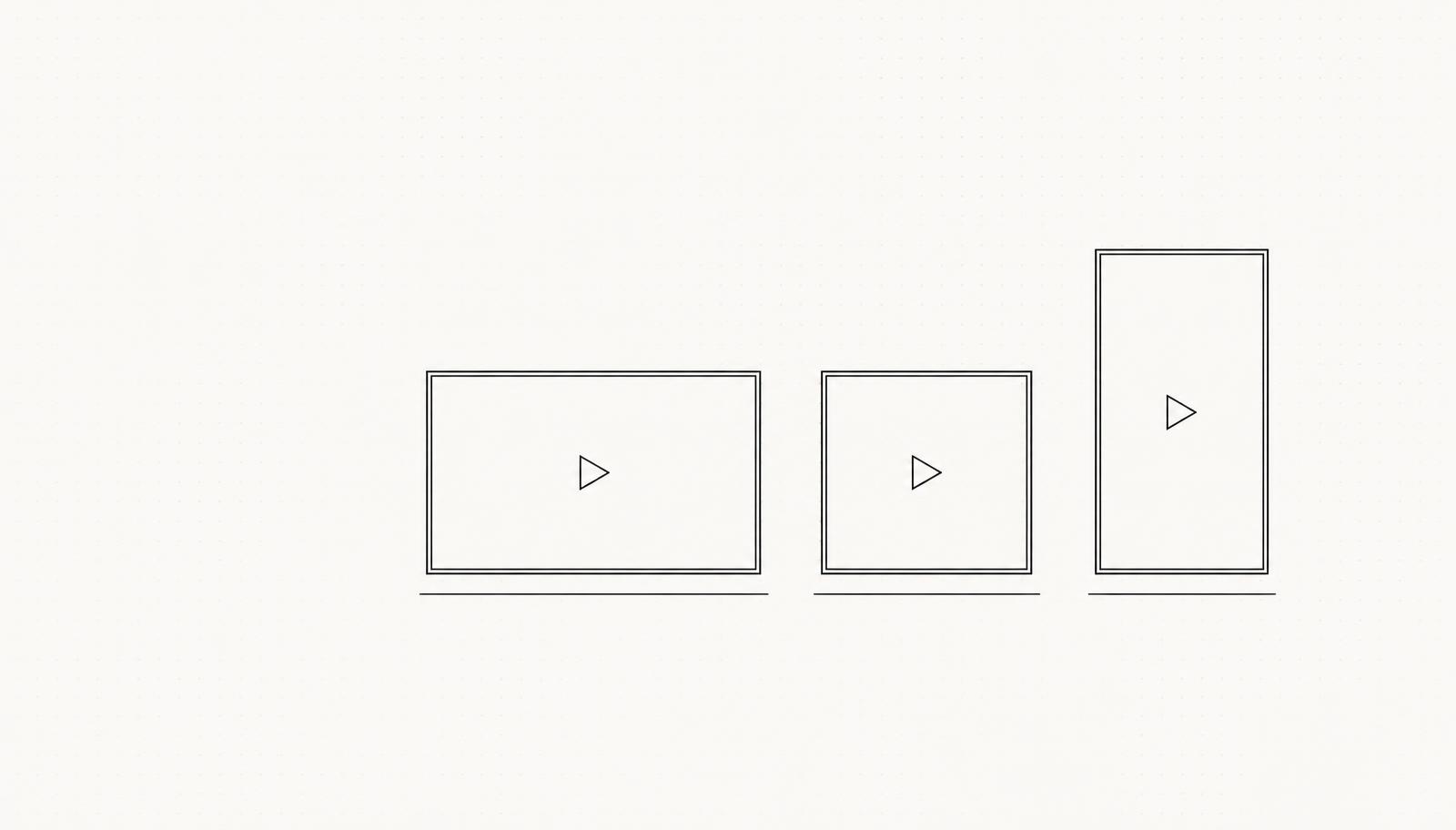
LinkedIn Video: Formats, Lengths and Best Practices for Businesses
What works for LinkedIn video: formats from 1:1 to 9:16, the right length for each objective, subtitles, hooks and upload strategy. A concise guide for businesses.
Recruitment video: showing employees as they really are
How a recruitment video shows real employees rather than glossy clichés, what it costs and why authenticity brings in more applications.
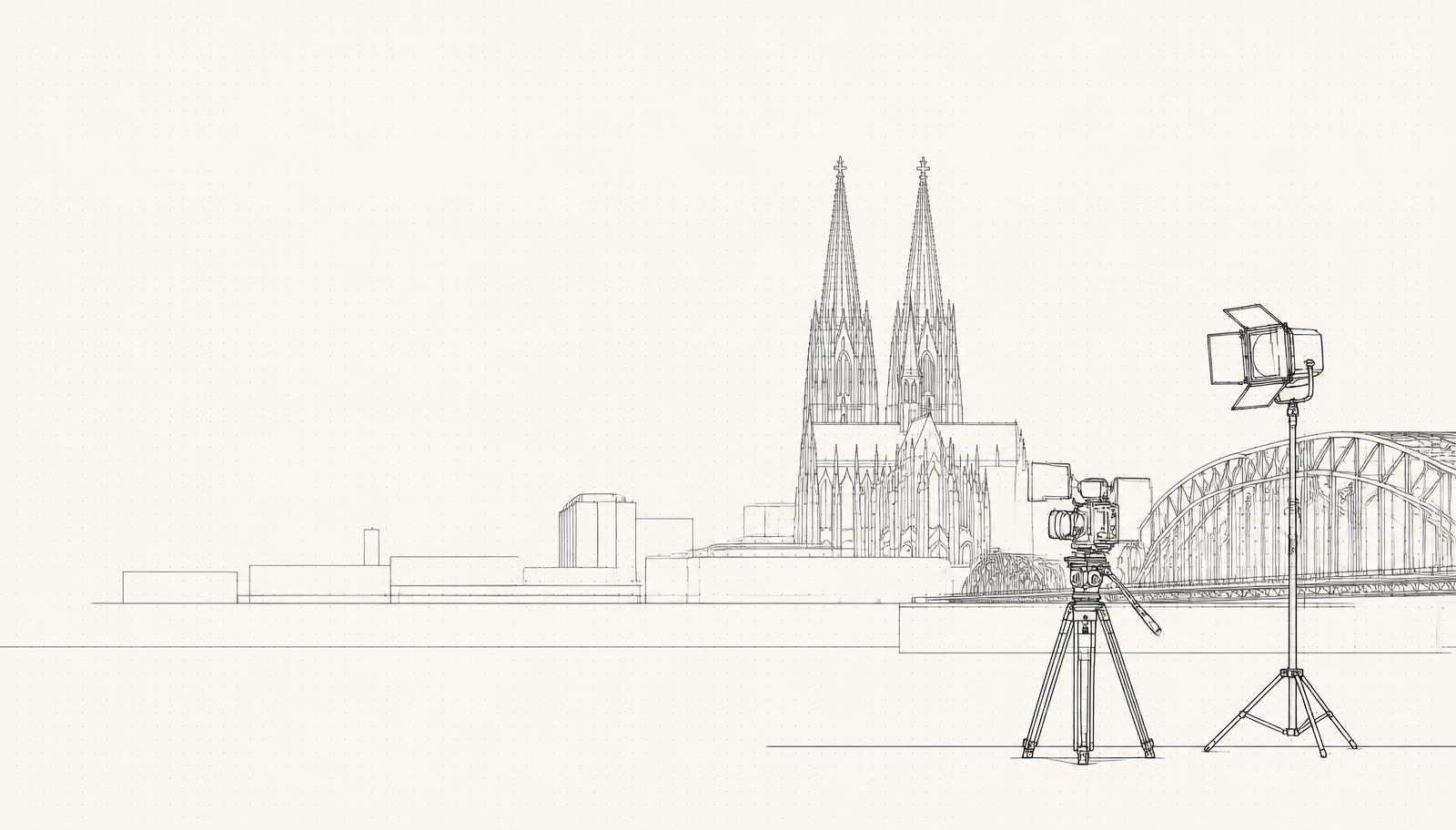
Video production in Cologne: corporate and event films from the Rhineland
What defines video production in Cologne, which filming locations the city offers and how to recognise a good film agency in the Rhineland.