What is Webflow? Advantages and disadvantages for businesses
Webflow explained: how the visual editor works, which businesses the platform suits and where its limitations lie.

Webflow appears increasingly often in agency proposals, frequently without explanation. This article explains what the platform is, how it works technically and which businesses it makes sense for – without marketing promises.
What is Webflow?
Webflow is a cloud-based platform for visually designing and publishing websites. Instead of writing code, you work in a graphical editor that generates clean HTML, CSS and JavaScript in the background. A CMS and hosting are already included, so there is no need for a separate server setup.
Unlike a website builder such as Wix or Squarespace, you are not restricted to fixed templates. And unlike WordPress, you do not need a collection of plugins to cover standard features.
How Webflow works
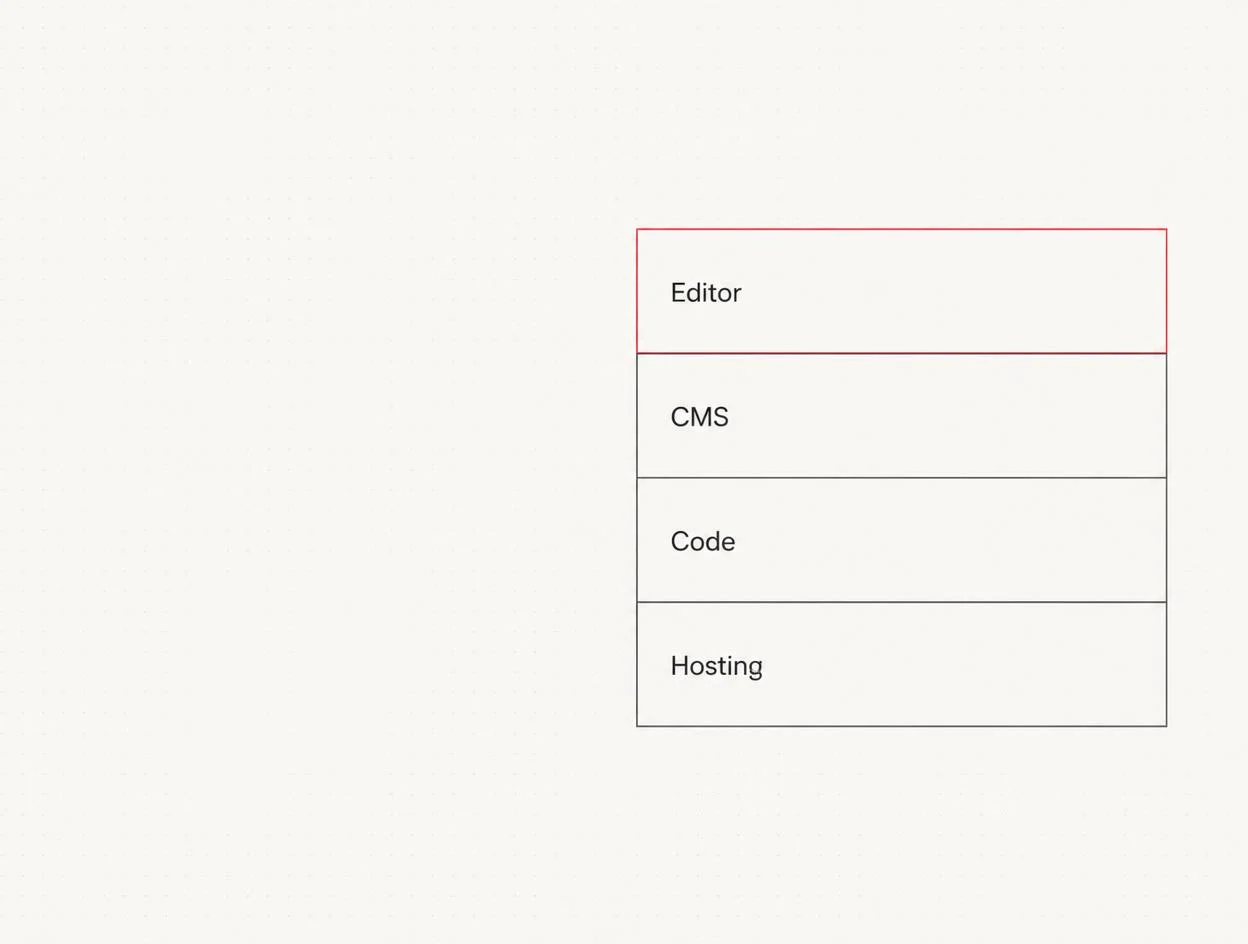
Webflow consists of four interconnected layers:
- Designer – the visual editor. This is where layouts are built using actual CSS concepts: Flexbox, Grid, classes and breakpoints. Anyone who understands HTML and CSS will recognise every element.
- CMS – structured content types with custom fields, for example for news, case studies or job listings. Editors manage content without being able to alter the layout.
- Code output – Webflow generates semantic markup. This matters for accessibility and search engines because content sits directly in the HTML.
- Hosting – delivery via a global CDN, including SSL, backups and versioning. There are no updates or server maintenance to handle.
Who Webflow suits – and who it does not
| A good fit | Less suitable |
|---|---|
| Businesses with regular content updates (news, case studies, jobs) | Projects with complex custom features such as configurators or portals |
| High design standards, with a bespoke visual identity rather than a template | Very large online shops with extensive inventory management integrations |
| Small teams without in-house IT that want to outsource maintenance | Applications with user accounts and permissions management |
| Marketing websites and landing pages that need to go live quickly | Setups with strict on-premise or hosting requirements |
In short: Webflow excels at content-driven business websites. Once a project is more software than website, custom development becomes the more sensible option.
Advantages
- Performance out of the box. No plugin bloat, lean output and CDN delivery. This helps with Core Web Vitals and, indirectly, search rankings.
- Design freedom. Layouts are not forced into a template. A visual identity can be implemented 1:1, including typographic scales and interactions.
- No plugin dependency. Less third-party code means a smaller attack surface and fewer update conflicts.
- Clear separation of roles. Editors work on content in the editor without being able to break the layout.
- Low maintenance. Security updates and server operations are handled by the platform, not by you.
Disadvantages and limitations
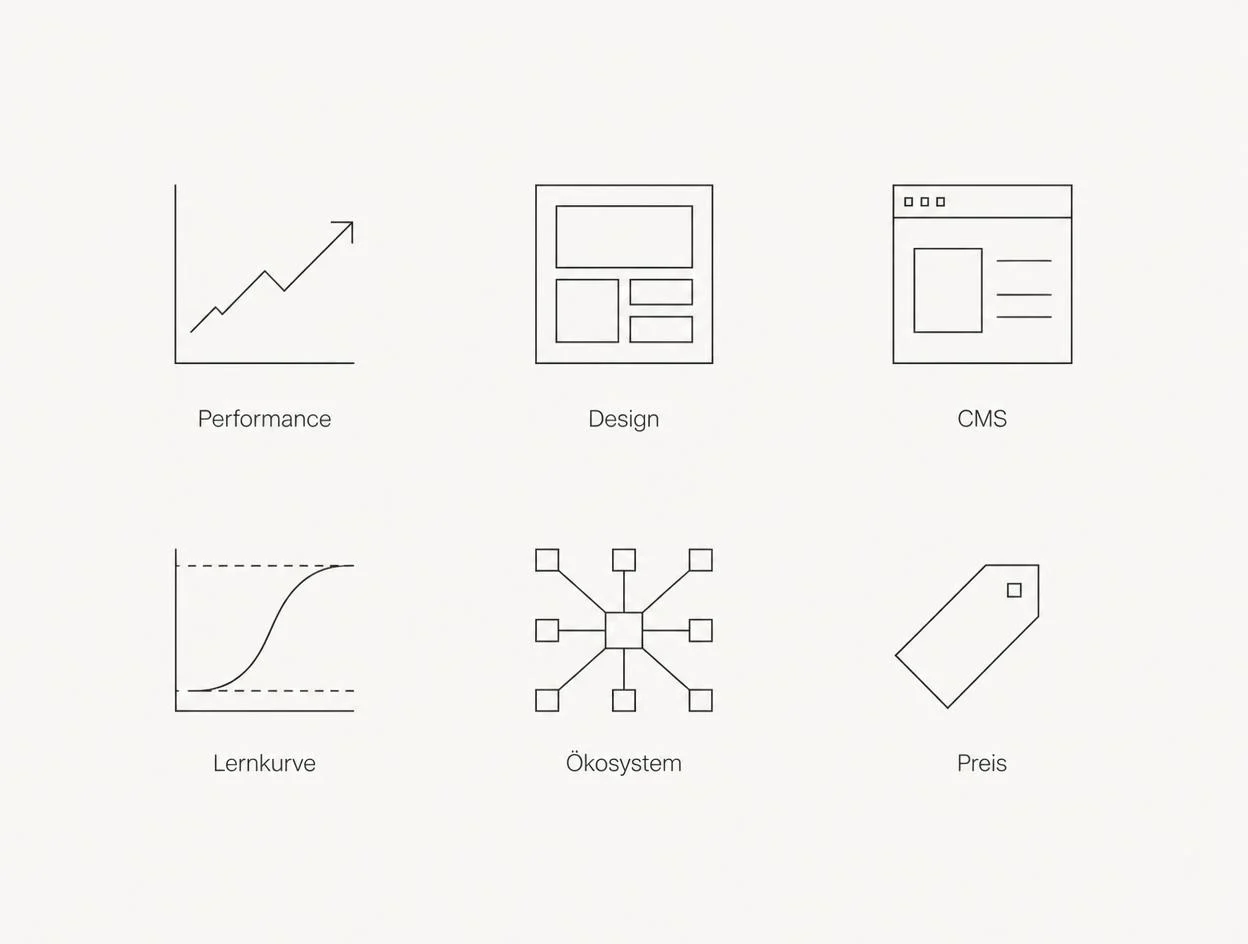
- Learning curve for editors. The editor is simple, but the back-end logic of Collections is unfamiliar. Without proper training, content updates get neglected.
- Smaller ecosystem. WordPress has an extension for almost every special requirement. Webflow more often requires custom integrations or external services.
- Pricing model. There are recurring costs for the Site plan and CMS seats. With several editors, these add up, although separate hosting and maintenance costs no longer apply.
- Platform dependency. Exporting is possible, but without CMS content. Moving to another platform later takes work, not just a click.
- Limits to complex logic. Anything beyond forms, filters and CMS lists requires additional services.
We do not recommend Webflow because it sounds modern, but when a team wants to manage its own content while still needing a design without compromises. If a project is really an application, we say so openly and build it differently.
Practical example: NSB Polymers
For NSB Polymers, we built a business website that fits this profile precisely: a medium-sized industrial company with products that need explaining, a steady flow of new content and clear design expectations. The starting point was an ageing website that reflected neither the product range nor the company's technical expertise.
We rebuilt the structure, visual language and content types so that the team can manage products and applications independently without touching the layout.

Read the full case study: NSB Polymers →
Who benefits from working with a Webflow agency
The platform handles the technology for you, not the decisions. Structure, content architecture, SEO fundamentals and a robust design system are not created in the editor, but beforehand. This is exactly where an agency that understands both brand and implementation adds value.
If you are still weighing up different approaches, our overview of agencies, freelancers and website builders will help. And if you want to know the total cost of a website, you can find typical ranges in our article on having a website built.
Frequently asked questions
What is Webflow in simple terms?+
Is Webflow a website builder like Wix?+
How much does Webflow cost for businesses?+
Is Webflow good for SEO?+
Can staff manage content themselves?+
What are Webflow's disadvantages?+
Which businesses is Webflow not suitable for?+
Can you migrate from WordPress to Webflow?+

Josef leads the strategic and creative development of brands at Maluure. For over a decade, he has guided medium-sized businesses from brand positioning to digital delivery.
Managing Director of Maluure GmbH, Cologne. Specialising in corporate design, brand strategy and digital brand experiences.
Weiterlesen
Using a corporate film on social media: twelve weeks of content from one shoot day
A corporate film is not a one-off asset, but a bank of source material. How to turn one shoot into formats for LinkedIn, Instagram, your website and sales, with an editing plan, content calendar and practical example.

Corporate video scripts: storytelling that works in 90 seconds
The script determines whether your corporate video makes an impact or just looks good. Structure, narrative, common mistakes and a shot list that saves the shoot day.

Officially certified: Maluure is a Lovable Partner
Since 16. September 2026, Maluure has been an officially certified Lovable Partner, Expert Website Builder and Expert App Builder. What the certification involves and what it means for your project.
Explore more blog topics
Corporate film or recruitment video: What your company really needs
Both films cost a similar amount but have very different effects. This comparison shows which format suits which goal and how to produce both in a single day of filming.

LinkedIn Video: Formats, Lengths and Best Practices for Businesses
What works for LinkedIn video: formats from 1:1 to 9:16, the right length for each objective, subtitles, hooks and upload strategy. A concise guide for businesses.

Recruitment video: showing employees as they really are
How a recruitment video shows real employees rather than glossy clichés, what it costs and why authenticity brings in more applications.