3D Animation for Businesses: Uses, Process, and Costs
3D animation shows what cameras can't: internal workings, processes, prototypes. What it costs, when it pays off, and how production works.
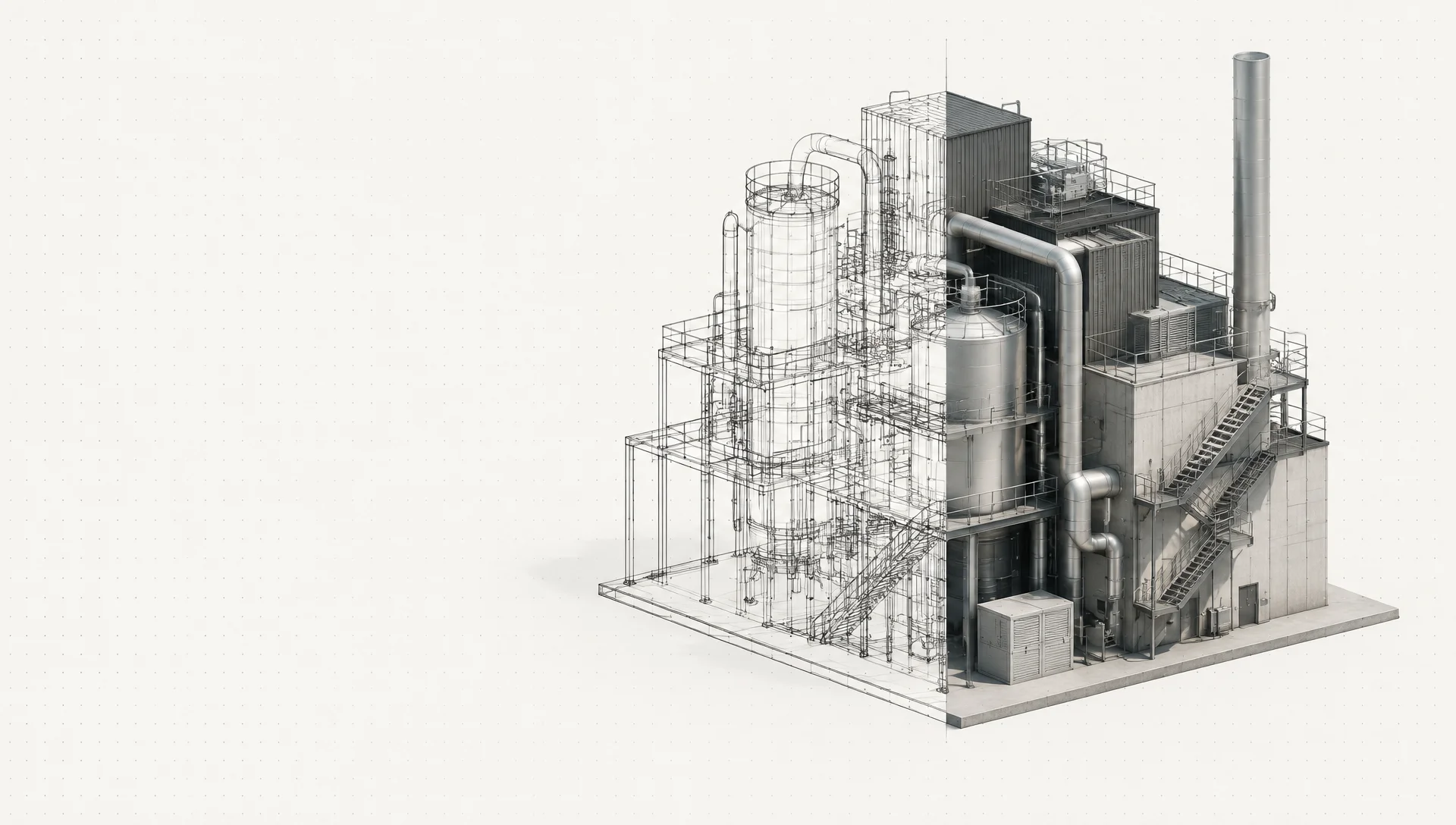
What can 3D animation do that live-action film can't?
- Product visualization. The product gets rotated, opened, and taken apart before it physically exists. Ideal for trade shows, sales, and crowdfunding.
- Technical processes. What happens inside the machine, the material, or the software gets explained through cutaway views or animation.
- Architecture and real estate. Spaces and buildings become walkable long before they're built. For our project with ZOO Event, we implemented this with 3D room tours.
- Characters and mascots. An animated character carries brand messages for years, without aging and without a fee.
What does a 3D animation cost?
| Scope | Price range | Typical content |
|---|---|---|
| Simple product visualization | €1,500 to 4,000 | One product, neutral space, rotation, a few camera moves |
| Animated process depiction | €4,000 to 10,000 | 60 to 90 seconds, cutaway views, labels, voiceover |
| Character animation | €5,000 to 15,000 | Custom character, rigging, lip sync, multiple scenes |
| Architectural visualization | €2,000 to 8,000 | Walkable spaces or exterior views, daylight simulation |
| Corporate film with 3D sequences | €8,000 to 25,000 | Combination of live-action and 3D, see Corporate Film Costs |
How does a 3D project work?
- Briefing and references. What should be shown, and at what level of detail? Technical drawings, CAD data, or photos of the real object speed up this phase enormously.
- Modeling. The object gets built as a 3D model. If CAD data is available, it saves 30 to 50 percent of the modeling time.
- Look development. Materials, surfaces, lighting. This determines whether the result feels technically precise or atmospheric.
- Animatic. A rough preliminary version with simple shapes and final camera movements. This is where the storytelling gets approved before expensive render time is spent.
- Animation and rendering. The actual production. Rendering is computing time: one second of finished film can require minutes to hours of processing power depending on quality.
- Compositing and sound. Color, depth of field, labels, voiceover, music.
The most expensive mistake in 3D projects is late feedback. If you only say the camera move doesn't work at the final rendering stage, you pay for the render farm twice. That's why we insist on the animatic, even when impatient clients think it's unnecessary at first.
3D animation or live-action film: an honest decision guide
| Criterion | 3D animation | Live-action film |
|---|---|---|
| Shows the invisible and the future | yes | no |
| People and emotions | difficult, uncanny valley risk | strongest side |
| Changes after production | possible anytime | new shoot day |
| Shelf life | 4 to 8 years | 3 to 5 years |
| Authenticity | technically precise | humanly credible |
How to spot a good 3D agency
- They ask for CAD data and technical documents before naming a price. Anyone who calculates without documents is guessing.
- They show an animatic before rendering. That's the moment when changes are still cheap.
- They name the render pipeline. Which software, which resolution, how many revision rounds are included.
- They think in assets, not in films. A good studio builds models so you can later use them for still images, configurators, or further films.
Case study: ZOO Event
Conclusion
Frequently asked questions
What does a 3D animation cost?+
When does 3D animation pay off compared to live-action film?+
How long does producing a 3D animation take?+
Can I reuse the 3D models later?+
What is an animatic and why does it matter?+
Does CAD data speed up production?+
What does a 3D product visualization cost?+

Josef leads the strategic and creative development of brands at Maluure. For over a decade, he has guided medium-sized businesses from brand positioning to digital delivery.
Managing Director of Maluure GmbH, Cologne. Specialising in corporate design, brand strategy and digital brand experiences.
Weiterlesen
Getting a Landing Page Built: Costs, Structure, and What Matters
One page, one goal: what makes a good landing page, what it costs, and how it works together with Google Ads and SEO.
TYPO3 Updates: LTS, ELTS and Why Outdated Versions Are a Risk
How long does your TYPO3 version still get updates, what is ELTS, and how does an update work? With current support periods and a checklist.
TYPO3 14: What the New Version Brings and When to Switch
TYPO3 14 LTS has been available since April 2026. What is new, which system requirements apply, and when switching from TYPO3 12 or 13 pays off.
Explore more blog topics
TYPO3 vs. WordPress: Which System Fits Your Company?
TYPO3 or WordPress? An honest comparison by company size, editing, multilingual support, security and costs, with a clear decision guide.
TYPO3 Relaunch: Process, Pitfalls and Checklist
A TYPO3 relaunch is more than a new design. How to plan content, migration and redirects so rankings and editors come through the switch well.
What Does a TYPO3 Website Cost? Cost Factors and Guide Values
What a TYPO3 website costs depends on scope, languages, extensions and migration. Guide values for new builds, relaunches, upgrades and running costs.