The Peak-End Rule: What Visitors Really Remember About Your Website
The peak-end rule explains why people judge experiences by their peak and their ending, not by the average. With Kahneman's experiments and concrete rules for checkout flows, contact forms, and farewell pages.
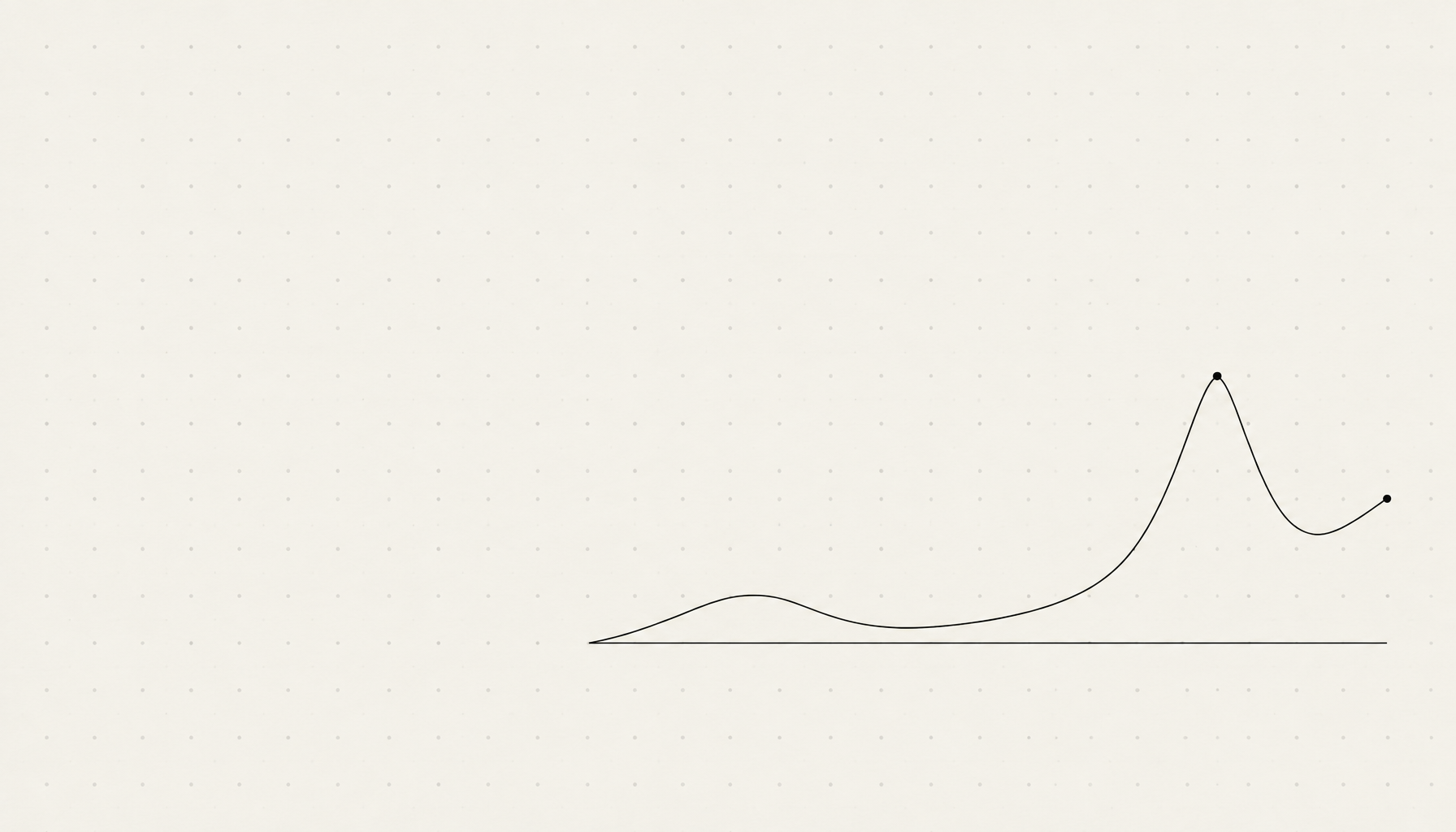
The Problem: You Optimize Every Step, but the Last Impression Ruins It All
The Principle: Peak and Ending Beat the Average
Origin and Context
Applying It to Digital Products
- Checkout and inquiry flows: the ending is the confirmation page. A generic "thank you" page is a wasted peak-end moment. A concrete outlook ("we will get back to you by tomorrow noon") sets the final impression deliberately.
- Onboarding: the user's first moment of success is the peak they talk about. Products that deliver a visible result quickly are remembered better and recommended more often.
- Error pages and waiting times: a 404 or a loading delay is a negative peak. A helpful, charming error page turns the low point into a neutral moment.
- Project endings: the last interaction with a client decides the referral. A clean handover with clear next steps outweighs three good interim updates.
The Solution: Design the Peak and the Ending Deliberately
- Find your endpoints. List every place where a visitor or client leaves your site or process: confirmation pages, emails after an inquiry, project handovers, cancellations.
- Design every ending actively. Every ending gets a clear, friendly statement and a concrete next step. No ending stays default text.
- Build a deliberate peak. A moment that surprises or works especially well: an unexpectedly fast reply, a visible result, a small extra.
- Fix negative peaks first. The worst moment of the experience (long loading time, confusing form, silence after an inquiry) shapes memory more than ten good moments.
| Place | Typical state | Peak-end thinking |
|---|---|---|
| Confirmation page | "Thanks for your message" | Concrete outlook with a time and a contact person |
| 404 page | Technical default text | Helpful redirect to the most important destinations |
| Project ending | Invoice and silence | Handover with results and a next step |
| First use | Long setup | Fast first success, the rest later |
The Maluure Approach
Clients never talk about the thirty steps that went well. They talk about the one moment that stuck, and about how it ended. Anyone who knows that designs exactly these two moments with full intention.
Related Articles
- The Paradox of Choice: Why More Options Mean Less Revenue
- Hick's Law: Why Every Additional Option Slows Your Website Down
- The Homepage That Wants to Say Everything at Once
Frequently asked questions
What is the peak-end rule?+
Who discovered the peak-end rule?+
What was the cold-water experiment?+
Does the peak-end rule apply to websites?+
How do I apply the peak-end rule to my website?+
Can a good ending rescue a bad experience?+
Why is the confirmation page so important?+
Sources
- Kahneman, D., Fredrickson, B. L., Schreiber, C. A. & Redelmeier, D. A.: When More Pain Is Preferred to Less. Psychological Science, 4(6), SAGE Journals (1993)
- Daniel Kahneman: Thinking, Fast and Slow, Farrar, Straus and Giroux (2011)

Josef leads the strategic and creative development of brands at Maluure. For over a decade, he has guided medium-sized businesses from brand positioning to digital delivery.
Managing Director of Maluure GmbH, Cologne. Specialising in corporate design, brand strategy and digital brand experiences.
Related articles
The Homepage That Wants to Say Everything at Once
Many company homepages don't fail because of design, they fail because of the message: they try to tell every visitor everything. Why that doesn't work, and how to arrive at a clear core message.
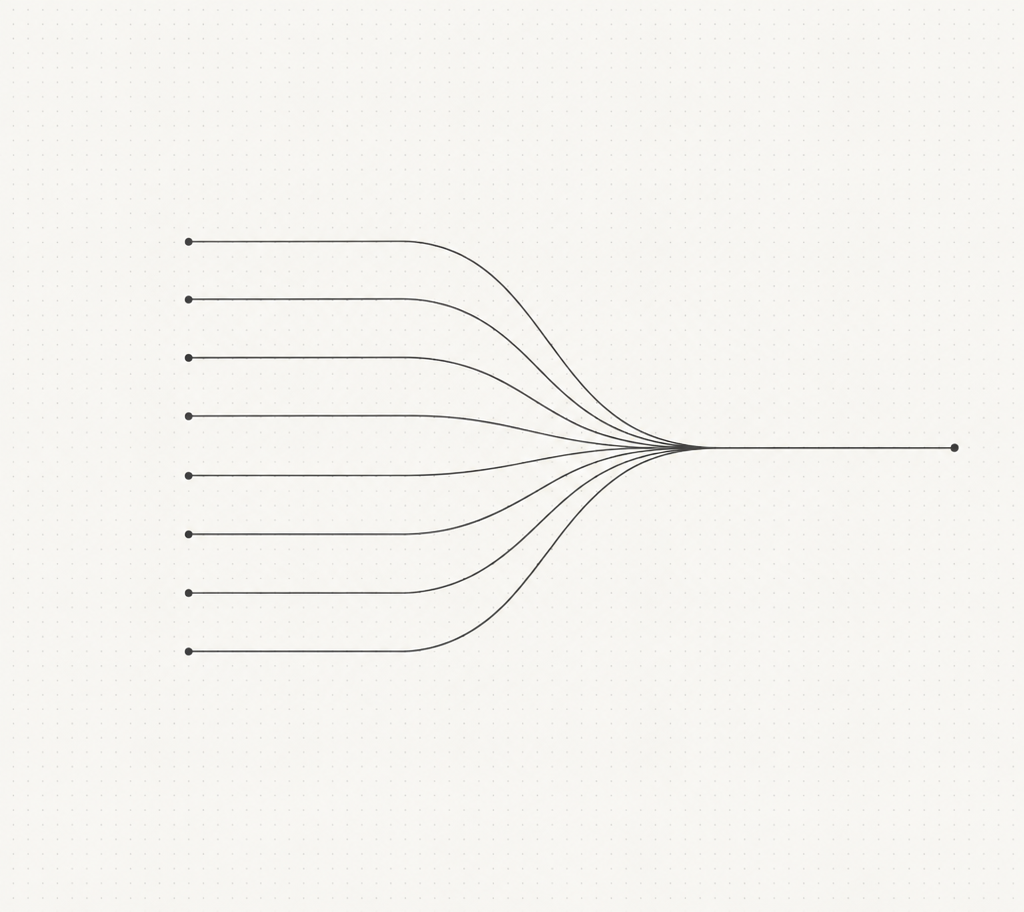
Hick's Law: Why Every Extra Option Slows Down Your Website
The more options you give visitors, the longer they take to decide, and the more often they decide not to decide at all. Hick's Law explains the connection, and we show what to do about it.

Eugene Schwartz's 5 Levels of Awareness: Why Nobody Buys Before They're Ready
Eugene Schwartz's five levels of awareness explain why the same copy works on one visitor and fails on the next. Includes a mapping table and practical steps for websites.