Eugene Schwartz's 5 Levels of Awareness: Why Nobody Buys Before They're Ready
Eugene Schwartz's five levels of awareness explain why the same copy works on one visitor and fails on the next. Includes a mapping table and practical steps for websites.

The Problem: Your Website Talks to Everyone, So Almost Nobody Listens
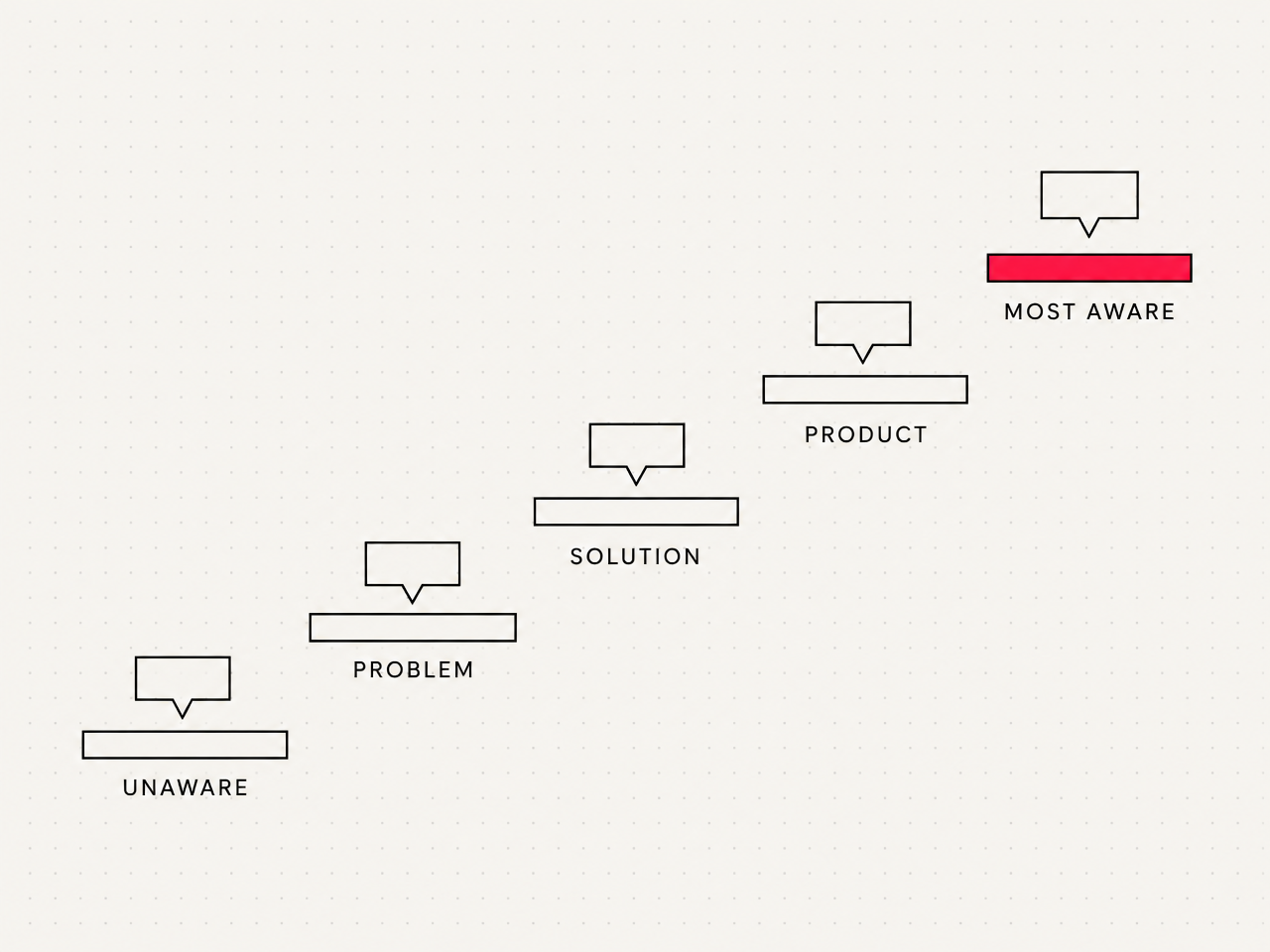
The Principle: The Five Levels of Awareness
- Unaware: The person feels a vague discomfort but cannot name it. Their inner question: "What is this about?" They have not reached brands or solutions yet.
- Problem Aware: The problem is conscious, the landscape of solutions is not. Their question: "Can this even be fixed?"
- Solution Aware: The type of solution is known, your offer is not. Their question: "Who does this well?"
- Product Aware: Your product is known, only the final push is missing. Their question: "Why exactly that one?"
- Most Aware: Offer, price, and provider are known. Their question: "Why now?"
Origin and Context
Applying It to Digital Products
- Homepage: It receives all levels at once. That is why it needs one clear primary action for the middle (Problem Aware to Solution Aware) and paths downward for advanced visitors, such as comparison tables or case studies.
- Google Ads and display: Cold-clicked visitors usually stand at Unaware or Problem Aware. Ad copy with a product name and a price sails right past them. First the problem, then the solution, last the offer.
- Landing pages: A landing page is the most precise implementation of the principle, because it is built for exactly one level. Campaign, search term, and page content must serve the same level.
- Blog and knowledge library: Fundamentals articles serve Unaware and Problem Aware, comparison and cost articles serve Solution and Product Aware. This builds a page structure that walks readers from level to level instead of losing them.
The Solution: Serve One Level per Page
- Assign levels to your existing pages. Every page gets exactly one target level. Pages that try to say everything to everyone are the first candidates for a rebuild.
- Write the headline for the level, not for the product. At Problem Aware it reads "Why your inquiries never get replies", at Product Aware "How a project runs with us".
- Check the search terms. "Cost to have a website built" is a different level from "web design agency Cologne price comparison". Both deserve their own pages with their own copy.
- Walk readers from level to level. Every article and every page links to the next level up, until the reader reaches the offer.
| Level | What the visitor thinks | The right copy strategy |
|---|---|---|
| Unaware | "Something is off" | Make the problem visible without naming a product |
| Problem Aware | "Can this be fixed?" | Name the problem and take it seriously, show a direction |
| Solution Aware | "Who does this well?" | Compare solution types, build trust and proof |
| Product Aware | "Why exactly Maluure?" | Show differences, make the process transparent |
| Most Aware | "Why now?" | State the offer, the price, and the next step directly |
The Maluure Approach
The most expensive mistakes do not happen in the phrasing, but when you hold an offer in front of a person who does not even know yet that they have a problem. Awareness is not a marketing theory, it is the question of what you are actually talking to someone about.
Related Articles
- Hick's Law: Why Every Additional Option Slows Your Website Down
- The Homepage That Wants to Say Everything at Once
- Maluure Principle: Never Automate a Broken Process
Frequently asked questions
What are Eugene Schwartz's 5 levels of awareness?+
Who was Eugene Schwartz?+
Which awareness level is the most important one?+
How do I find out which level my visitors are on?+
What does Product Aware mean?+
Can one page serve several awareness levels?+
How do I use the awareness levels for Google Ads?+
Sources
- Eugene M. Schwartz: Breakthrough Advertising, Prentice-Hall 1966, Prentice-Hall (1966)
- Breakthrough Advertising, Neuauflage (Hrsg. Brian Kurtz), breakthroughadvertisingbook.com (2020)

Josef leads the strategic and creative development of brands at Maluure. For over a decade, he has guided medium-sized businesses from brand positioning to digital delivery.
Managing Director of Maluure GmbH, Cologne. Specialising in corporate design, brand strategy and digital brand experiences.
Weiterlesen

Commissioning an explainer video: costs, styles and what to look for
An animated explainer video explains your product in 90 seconds. What production costs, which style fits and how to recognise a good production company.

The Homepage That Wants to Say Everything at Once
Many company homepages don't fail because of design, they fail because of the message: they try to tell every visitor everything. Why that doesn't work, and how to arrive at a clear core message.
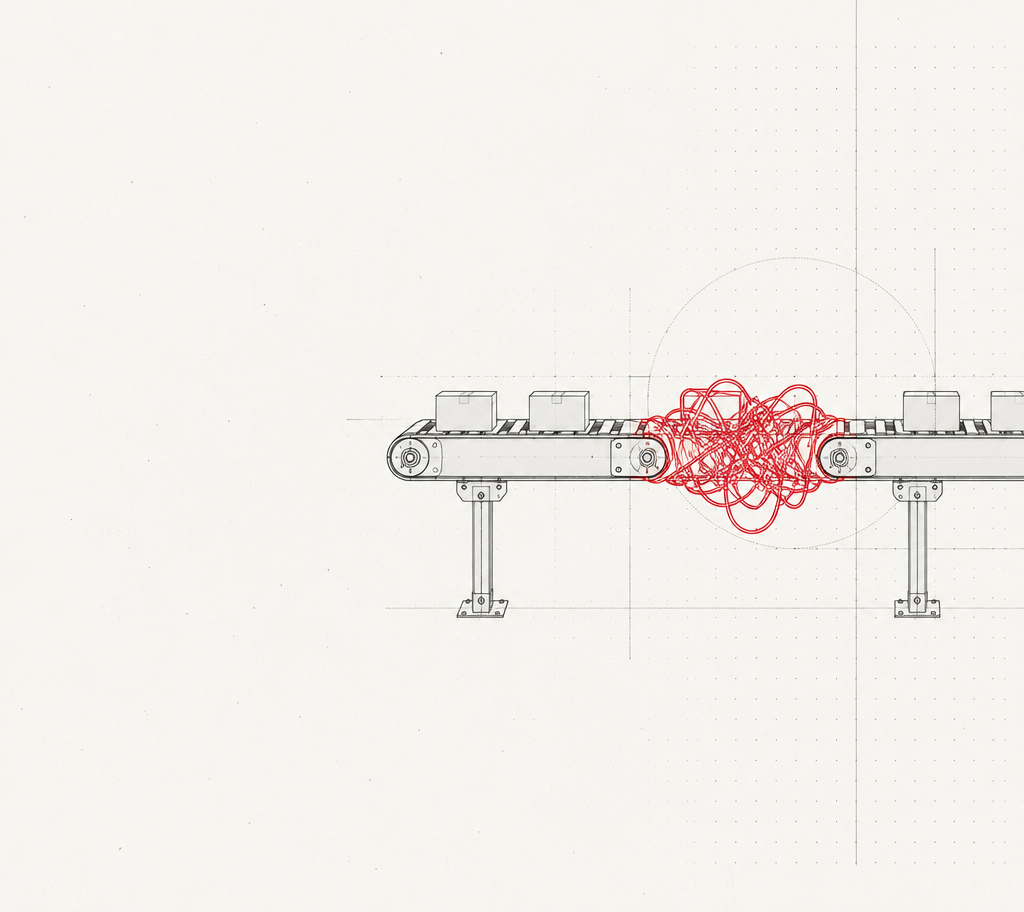
Maluure Principle: Never Automate a Bad Process
Automation makes good workflows faster and bad workflows faster at being bad. Our first Maluure principle explains why order matters and how to tell if a process is ready for automation.
Explore more blog topics
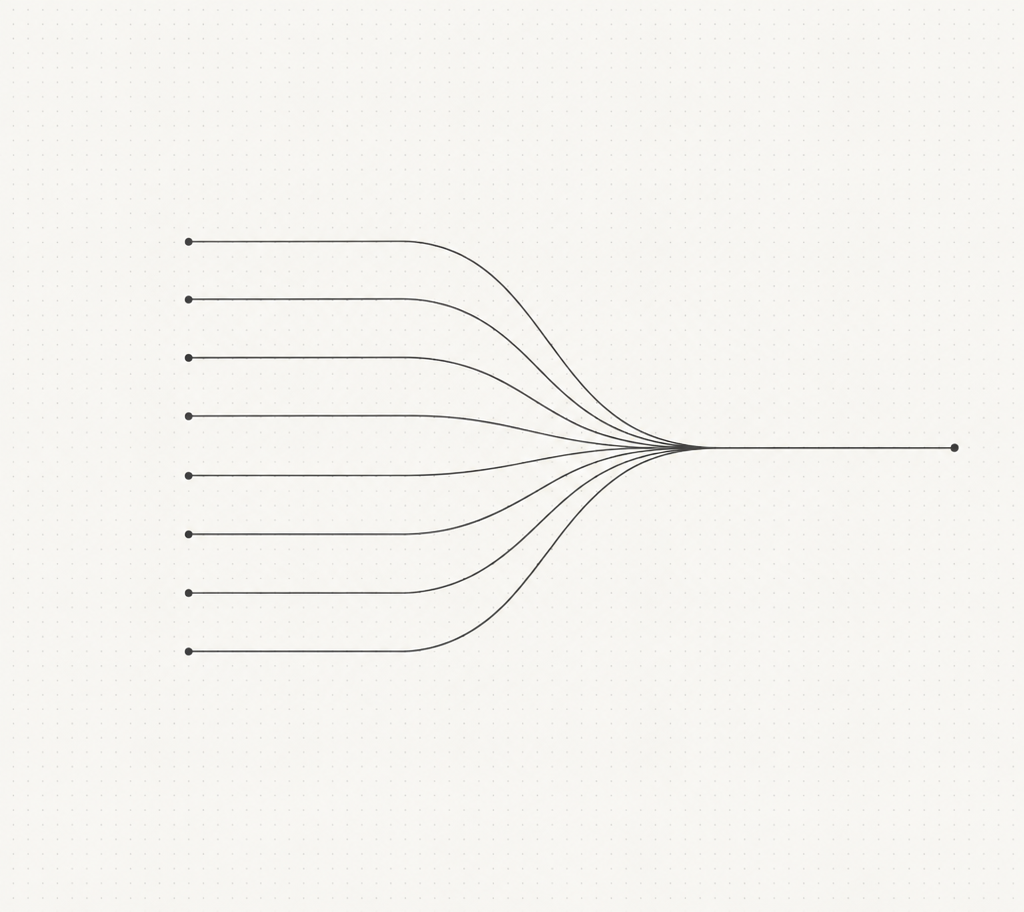
Hick's Law: Why Every Extra Option Slows Down Your Website
The more options you give visitors, the longer they take to decide, and the more often they decide not to decide at all. Hick's Law explains the connection, and we show what to do about it.
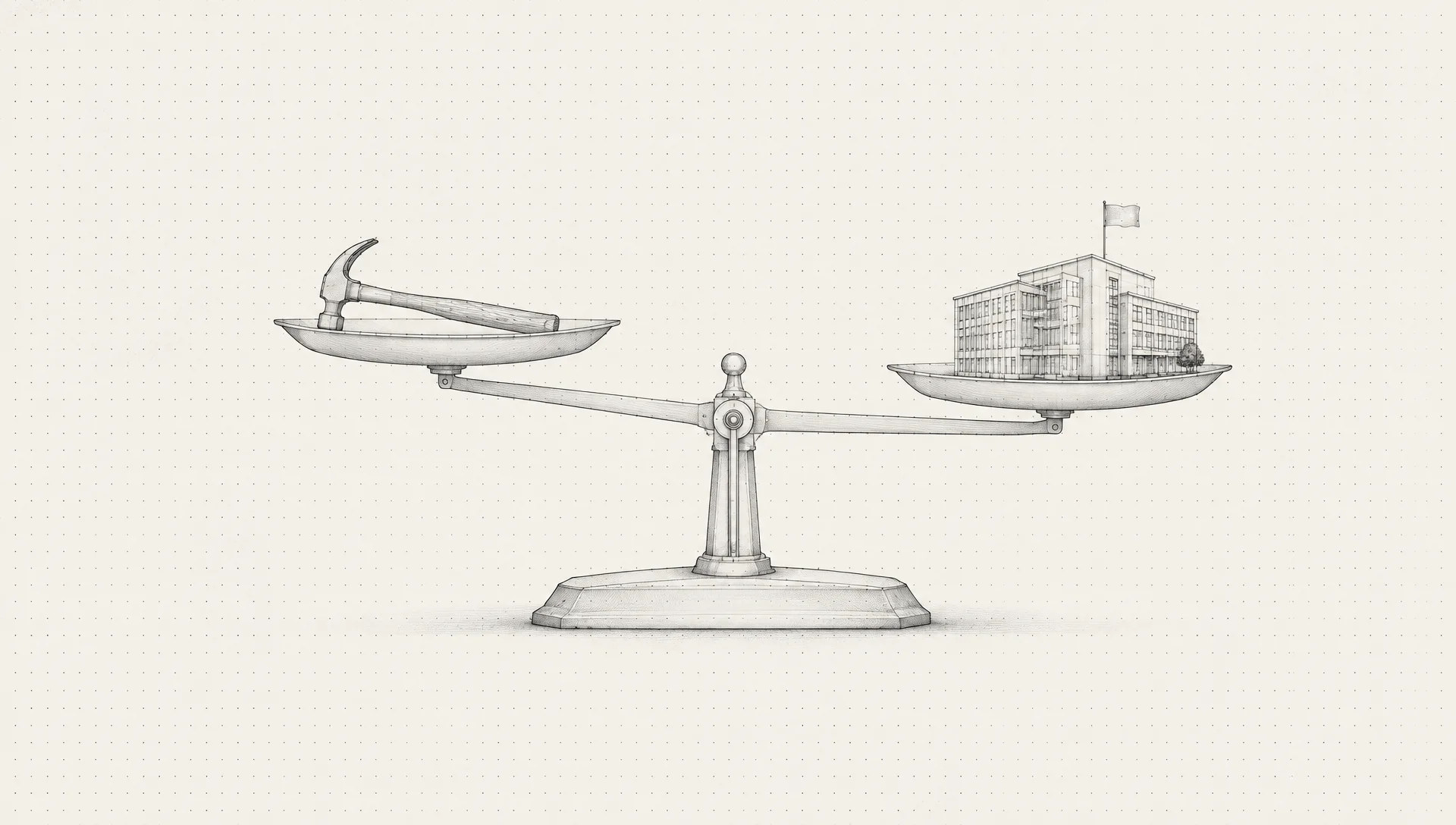
Google Ads DIY or Hire an Agency?
Running Google Ads yourself is possible, but not always cheap. When DIY pays off, at what budget an agency beats the tuition fee of learning, and how to prepare a clean handover.

Websites for tax advisers, law firms & financial services providers: What 100 % care requires
For tax advisers, law firms and financial services providers, a website is not just about looks, but trust, precision and legal compliance. We outline the key areas that need careful attention.